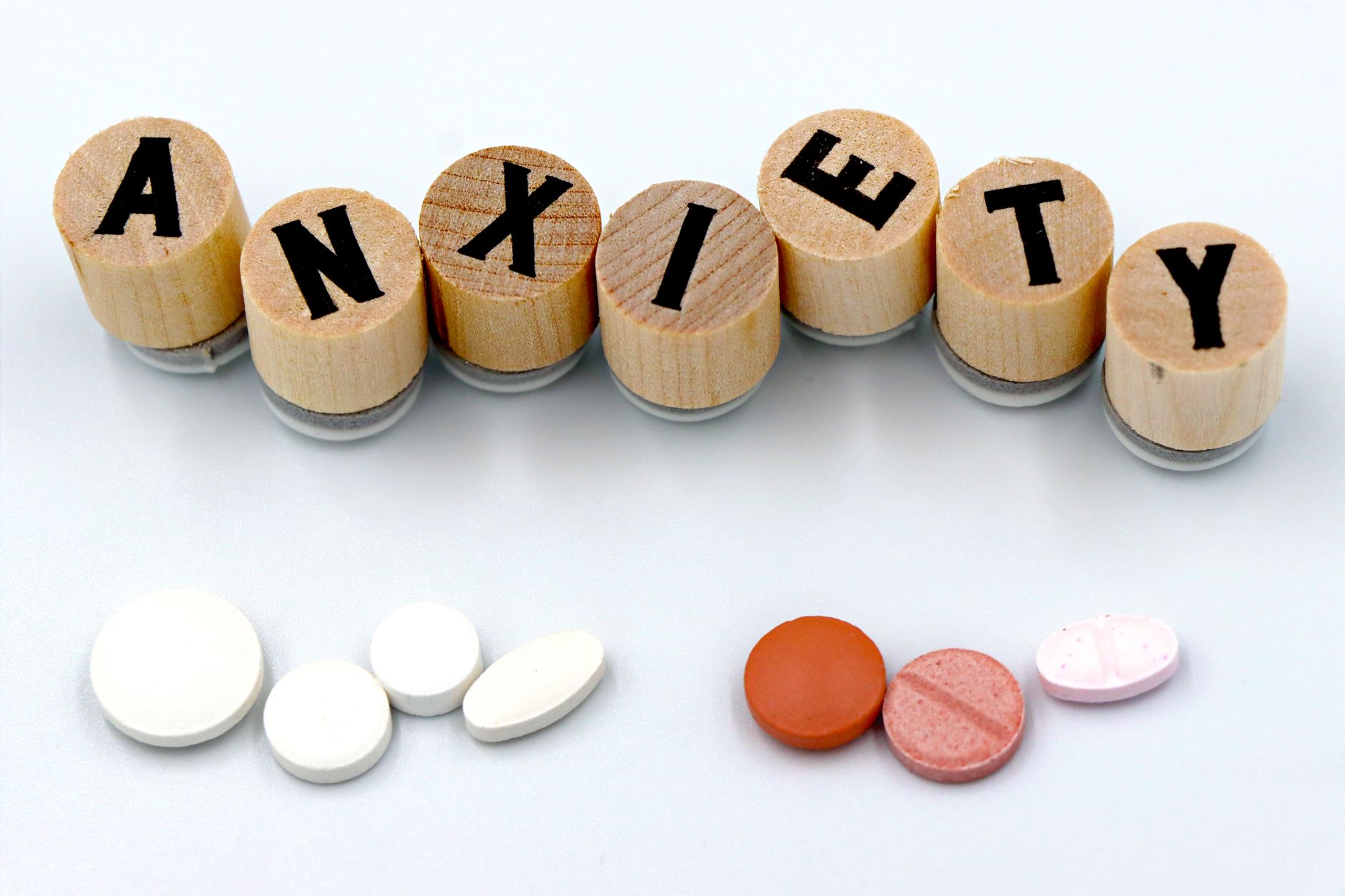
Protecting mental health and well-being is crucial for a fulfilling life. Anxiety and depression are common mental health conditions that can significantly impact daily functioning, but with the right resources, tips, and tools, they are manageable.
Understanding Anxiety and Depression
Anxiety disorders are characterized by excessive worry, fear, and nervousness, often accompanied by physical symptoms. Depression, on the other hand, involves persistent feelings of sadness, loss of interest, and a range of emotional and physical problems. While distinct, these conditions frequently co-occur and can affect the body in various ways, from chronic fatigue to more severe physical health issues if left untreated. It’s important to differentiate between transient sadness, which is a normal human emotion, and clinical depression, a persistent mental health condition.
Treatment and Management Strategies
Effective management of anxiety and depression often involves a combination of approaches. Treatment options for anxiety disorders and depression include psychotherapy, medication, and lifestyle interventions. Cognitive Behavioral Therapy (CBT) is a widely recognized form of psychotherapy that helps individuals identify and modify negative thought patterns and behaviors contributing to their conditions. Exploring different types of therapy, including inpatient and outpatient programs, can help individuals find the most suitable support.
Beyond traditional treatments, alternative therapies such as meditation have shown promise in calming anxiety and promoting overall well-being. Identifying personal triggers for anxiety and developing coping techniques are vital steps. Strategies like mindfulness, deep breathing exercises, and engaging in calming activities can help quiet anxious thoughts.
Lifestyle for Mental Well-being
Lifestyle adjustments play a significant role in managing mental health. Prioritizing better sleep is essential, as anxiety can disrupt sleep patterns, leading to fatigue, and depression can also manifest as exhaustion. Techniques like meditation for sleep can be beneficial. Nutrition also impacts mood; certain foods can boost serotonin levels, while a balanced diet supports overall brain health. Physical activity, including yoga and other exercises, is known to have profound mental health benefits, reducing stress and improving mood.
Building strong relationships and fostering emotional well-being through practices like journaling and creating a mindful home environment are also key. Recognizing and managing emotional signs of stress is important to prevent escalation into more severe conditions.
Navigating Support and Resources
Finding the right mental health professional is a critical step. This involves understanding how to locate a suitable therapist, comparing therapy options, and knowing how to advocate for oneself during doctor’s visits. Information on therapy costs and insurance coverage can help make mental health services more accessible. In times of crisis, immediate support is available. Resources for suicide prevention and guidance on supporting someone in a mental health crisis are crucial for ensuring safety and providing timely help.
Comorbidities and Related Conditions
Anxiety and depression often coexist, sharing several key symptoms. Other common comorbidities include chronic pain, which can both cause and be exacerbated by depression, and ADHD, which increases the risk of developing anxiety. Understanding these connections is vital for comprehensive diagnosis and treatment.
Leave a Reply