Understanding Sinus Infection Duration
Sinusitis can be classified based on how long symptoms persist. Acute sinusitis typically lasts less than four weeks, subacute cases range from four to twelve weeks, and chronic sinusitis can extend for twelve weeks or longer.
Expediting Recovery from a Sinus Infection
Most sinus infections are caused by viral infections or airborne irritants and often improve naturally. However, bacterial sinus infections may require antibiotic treatment. With appropriate care, individuals often start feeling better within three to four days.
Stay Hydrated
Adequate hydration is vital for overall health and helps the body combat infections effectively. For sinusitis, drinking plenty of fluids helps maintain the integrity of the mucous membranes in the sinuses, which can reduce irritation, thin mucus, and potentially prevent further infection.
Prioritize Rest
Most sinus infections resolve within two to three weeks. During this period, it is essential to allow your body ample opportunity to fight the infection. Avoiding strenuous activities and getting sufficient rest can accelerate recovery.
Utilize Nasal Irrigation
Nasal irrigation is a common method used to ease sinusitis symptoms. Using a neti pot with a saline solution can help clear nasal passages. Always follow the specific instructions provided with your device. Generally, this involves filling the pot with saline solution, inclining your head, and gently pouring the solution through one nostril, allowing it to exit the other. Remember to sanitize your neti pot after each use and only use distilled or sterile water to avoid contaminants.
Keep Sinuses Moisturized
Maintaining moisture in your sinuses can help relieve pressure and discomfort. Consider these tips:
Use a humidifier in your bedroom at night to alleviate nighttime nasal blockages.
Apply natural saline nasal sprays during the day and before bed.
Take hot showers or use steam bowls to help ease congestion and swelling.
Incorporate Foods with Natural Properties
Adding foods known for their natural antibacterial properties, such as garlic, ginger, and honey, to your diet may support the body’s immune response. Some foods also possess anti-inflammatory properties, like berries, green leafy vegetables, and oily fish, which might help reduce swelling associated with sinus infections. However, direct scientific research on dietary changes for symptom relief in sinus infections is limited, and much of the support is anecdotal.
Consider Essential Oils for Congestion
Some individuals find that topical application or inhalation of certain essential oils can help alleviate symptoms of sinus congestion. For instance, a component of eucalyptus oil, 1,8-cineole, has shown potential anti-inflammatory effects in laboratory studies. However, more research is needed to confirm their efficacy in humans.
When using essential oils, apply them externally to areas like the temples or chest, or inhale them via a diffuser or by adding a few drops to boiling water. Always ensure you use high-quality, food-grade essential oils if applying internally (e.g., on the roof of the mouth, followed by water). It is crucial to use essential oils as directed, as improper inhalation can irritate airways. Always consult a healthcare professional before starting essential oil use and perform a patch test to check for sensitivities.
Alleviate Facial Pain with Warm Compresses
Applying warm compresses can help relieve general pain and pressure from sinus congestion. While this does not treat the infection itself, placing a warm, damp towel around the nose, cheeks, and eyes can encourage drainage of nasal secretions, offering symptomatic relief.
Over-the-Counter (OTC) Medications
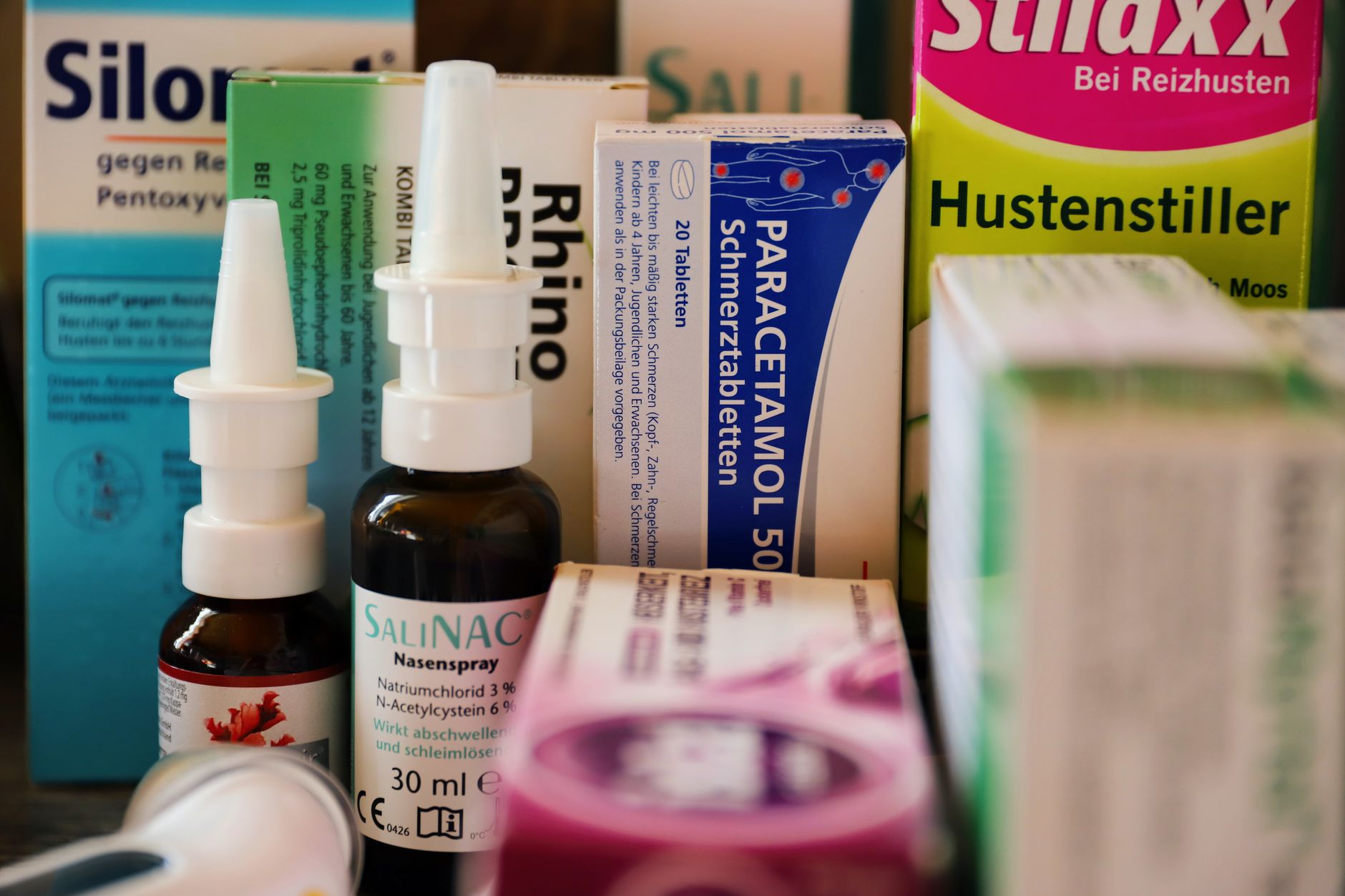
If home remedies do not provide sufficient relief, various over-the-counter treatments are available. Decongestants, such as pseudoephedrine, can help reduce inflammation and swelling by narrowing blood vessels, improving sinus drainage. Individuals with high blood pressure should consult a doctor or pharmacist before using decongestants.
Other OTC medications for managing generalized sinus pain include aspirin, acetaminophen, and ibuprofen. If nasal congestion is due to an allergic reaction, antihistamines may help block inflammation. Always adhere to the pharmacist’s advice and package guidelines when taking any OTC medication.
Prescription Medications for Bacterial Infections
Doctors may prescribe antibiotics for chronic sinusitis or when a bacterial infection is confirmed. A healthcare provider will determine the cause of your sinus infection through symptom assessment and a physical examination. In some cases, a nasal swab may be performed.
Common antibiotics for acute bacterial sinus infections include amoxicillin or amoxicillin-clavulanate. For those with penicillin allergies, alternative medications are prescribed. It is crucial to complete the entire course of antibiotics as prescribed by your doctor, even if symptoms improve, to prevent antibiotic resistance.
When to Seek Medical Help for a Sinus Infection
Consult a doctor if you experience any of the following:
- A persistent fever above 100.4°F (38°C).
- Symptoms lasting longer than 10 days.
- Worsening symptoms.
- Symptoms not relieved by OTC medication.
- Multiple sinus infections within the past year.
If you have a sinus infection for eight weeks or more, or experience more than four sinus infections annually, you might have chronic sinusitis. Common causes of chronic sinusitis include allergies, nasal growths, and recurrent respiratory tract infections.
Understanding the Causes of Sinus Infections
A sinus infection occurs when the tissues lining the sinuses become inflamed and swell, leading to mucus buildup, pain, and discomfort. The sinuses are air-filled cavities within the facial bones that connect to the respiratory tract.
Factors that can impede sinus drainage include the common cold, hay fever, exposure to allergens, and changes in air pressure. Most adult sinus infections are viral.
Preventing Sinus Infections
To reduce your risk of developing sinus infections:
- Wash your hands frequently, especially after being in crowded public spaces.
- Stay up-to-date with recommended immunizations.
- Limit exposure to individuals with colds or other upper respiratory infections.
- Avoid smoking and exposure to secondhand smoke.
- Use a clean humidifier to maintain adequate moisture in your home’s air.
- Get sufficient rest if you have a cold to minimize the risk of complications like sinusitis.
Common Symptoms of a Sinus Infection
Typical symptoms of sinusitis include:
- Nasal congestion
- Loss of sense of smell
- Postnasal drip
- Green nasal discharge
- Tenderness under the eyes or on the bridge of the nose
- Pain in the forehead or temples
- Cough
- Fatigue
- Fever
- Bad breath
Conclusion
Sinus infections are common, and symptoms often resolve naturally within ten days. Over-the-counter medications and various home remedies can help alleviate discomfort. If symptoms persist beyond ten days or worsen, it is advisable to consult a healthcare professional.
Leave a Reply