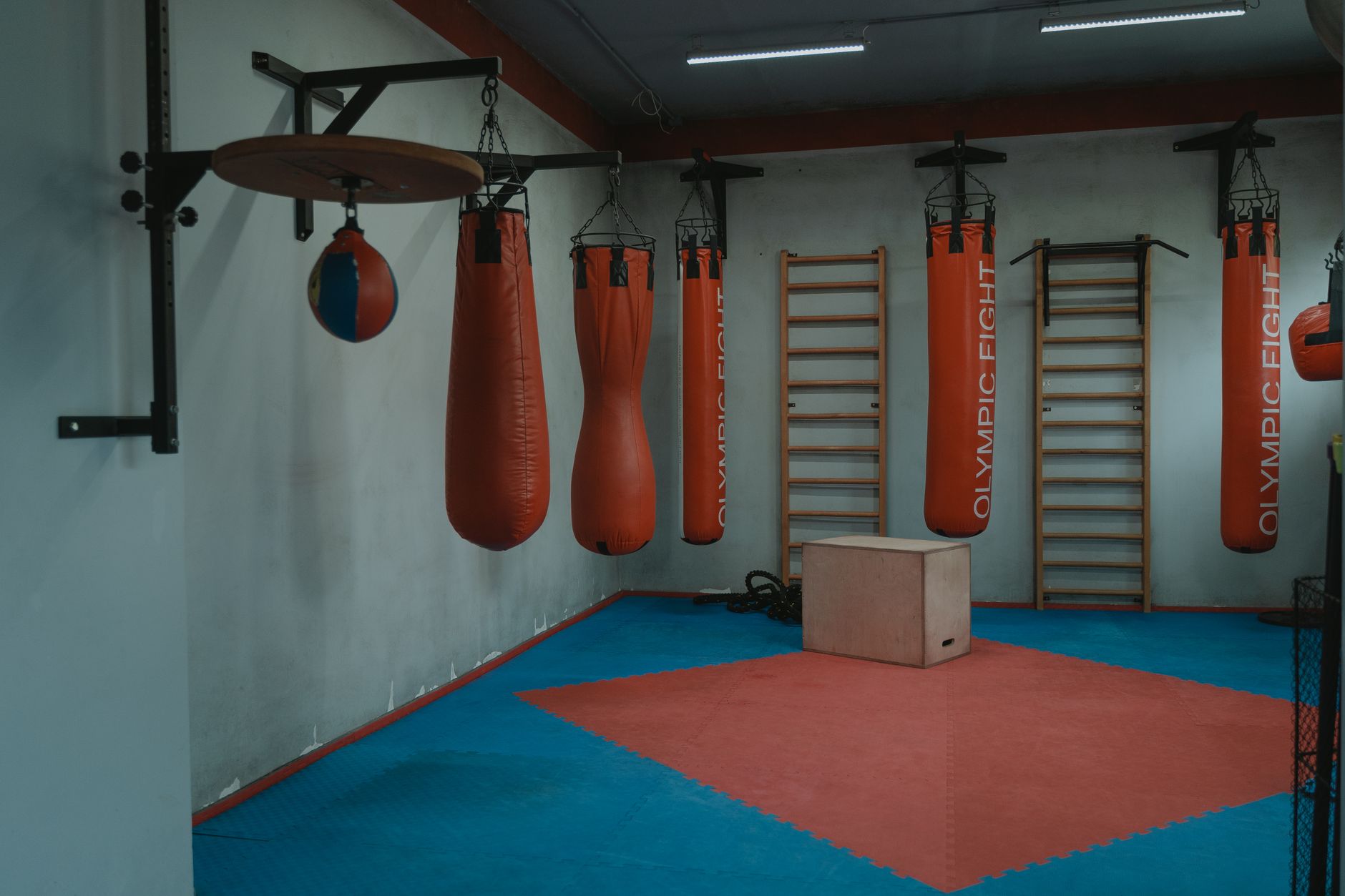
Punching bags are essential equipment for anyone looking to enhance their boxing training, practice martial arts, improve fitness, or simply release stress. Whether you aim to increase speed, tone muscles, or refine your technique, selecting the right punching bag can significantly impact your training experience.
Understanding Different Types of Punching Bags
The market offers a diverse range of punching bags, each designed to cater to specific training needs and space availability. Knowing the characteristics of each type is crucial for making an informed decision.
Hanging Heavy Bags
Hanging heavy bags are a cornerstone in boxing and combat sports training. Their design allows for a comprehensive workout, accommodating a wide array of punches, kicks, and knee strikes. These bags are typically cylindrical, ranging from 4 to 5 feet in height and weighing between 40 to over 100 pounds. They require a stable overhead structure for suspension, usually with chains or straps. Lighter bags are often recommended for beginners, while more experienced trainees might prefer heavier bags for absorbing powerful impacts. Their versatility makes them suitable for boxing, kickboxing, MMA, and Muay Thai, with longer versions being ideal for training that incorporates kicking.
Freestanding Punching Bags
For those without a suitable place to hang a heavy bag, freestanding options provide an excellent alternative. These bags feature a heavy base, often filled with sand or water, or equipped with suction cups, eliminating the need for ceiling or wall installations. A significant advantage is their portability, allowing users to move them as needed. Freestanding bags are generally best suited for traditional boxing, as their base can sometimes interfere with kicking movements. They are appropriate for all skill levels, though a heavier base is advisable for advanced users to ensure stability during intense workouts.
Compact and Teardrop Punching Bags
When space is a constraint, compact options like teardrop or wrecking ball punching bags offer a practical solution. These bags provide similar striking patterns to heavy bags but occupy significantly less space. Often filled with water or air, they are highly portable, as they can be emptied for easy relocation. Some compact versions can even be mounted in doorways. Due to their smaller size and rapid movement, these bags are particularly effective for speed training and are primarily used for boxing, as their height may not be ideal for most kicking techniques.
Wall-Mounted Training Bags
Wall-mounted training bags are another space-saving solution, ideal for garage gyms or areas where traditional hanging bags are not feasible. These bags are affixed directly to sturdy walls, offering a compact target for boxing practice and fitness activities. They are generally smaller and less suitable for MMA-style training that involves extensive kicking.
Lifelike Training Dummies
For more realistic training, lifelike training dummies, such as the Body Opponent Bag (B.O.B.), are available. These freestanding dummies feature human characteristics, allowing practitioners to target specific areas and practice more precise punches and kicks than with conventional heavy bags. Their adjustable height and stable bases make them versatile for various trainees and martial arts disciplines.
How to Choose the Best Punching Bag
Selecting the ideal punching bag involves considering several key factors to match your training goals, experience level, and available space.
Materials and Quality
Durability is paramount for a punching bag. Look for high-quality materials like synthetic leather, vinyl, or genuine leather for the outer shell, and dense, consistent filling (e.g., fabric scraps, foam, water, or sand) to ensure the bag withstands repeated impacts and maintains its shape over time.
Setup, Use, and Portability
Consider the ease of setup. Hanging bags require a secure mounting point, while freestanding bags offer portability. Compact and water-filled bags are excellent for small spaces or if you need to move the bag frequently.
Size and Weight
The bag’s size and weight should align with your experience level and body weight. A general guideline is to choose a bag that is approximately half your body weight. Beginners often benefit from lighter bags, while advanced trainees require heavier bags for more intense workouts and to prevent excessive swinging.
Type of Training
Different combat sports and training objectives call for specific bag types. Longer heavy bags are best for Muay Thai or kickboxing, while speed bags or compact bags are ideal for improving reflexes and hand speed. Training dummies offer precision for targeting specific body parts.
Bag Height
Height is another crucial factor. For beginners, bags around 3 feet (91.4 cm) are often suitable. Intermediate and advanced trainees might prefer bags between 4 to 5 feet (121.9–152.4 cm), while those focusing on specific striking movements or who are taller may opt for bags 5 feet (152 cm) or longer.
Budget and Warranty
Punching bags come in a wide price range. Establish a budget and look for bags that offer a good balance of quality and cost. Additionally, check for warranties or return policies, as these provide assurance regarding the product’s longevity and performance.
Benefits of Using a Punching Bag
Regular engagement with a punching bag offers numerous potential benefits beyond just combat sports training. Boxing-style workouts are known to improve cardiovascular health, lower blood pressure, enhance balance, and increase overall strength. For individuals with weight loss goals, these workouts can be highly effective. Furthermore, punching a bag provides an excellent outlet for stress relief, offering a cathartic release that can improve mental well-being.
Using a Punching Bag: With or Without Gloves?
The decision to use gloves or train bare-knuckle depends on personal preference and training goals. Training without gloves can help strengthen knuckles and wrist tendons. However, it also carries a higher risk of hand or wrist injury if punches are landed incorrectly. For most training, especially for beginners or intense sessions, wearing boxing gloves and hand wraps is highly recommended to protect your hands and wrists.
Conclusion
Punching bags are indispensable tools for fitness enthusiasts and combat sports practitioners. With a wide array of types, sizes, and features available, choosing the right bag is a personal journey. By carefully considering your training needs, available space, and experience level, you can select a punching bag that will serve as a valuable asset in achieving your fitness and martial arts goals.
Leave a Reply