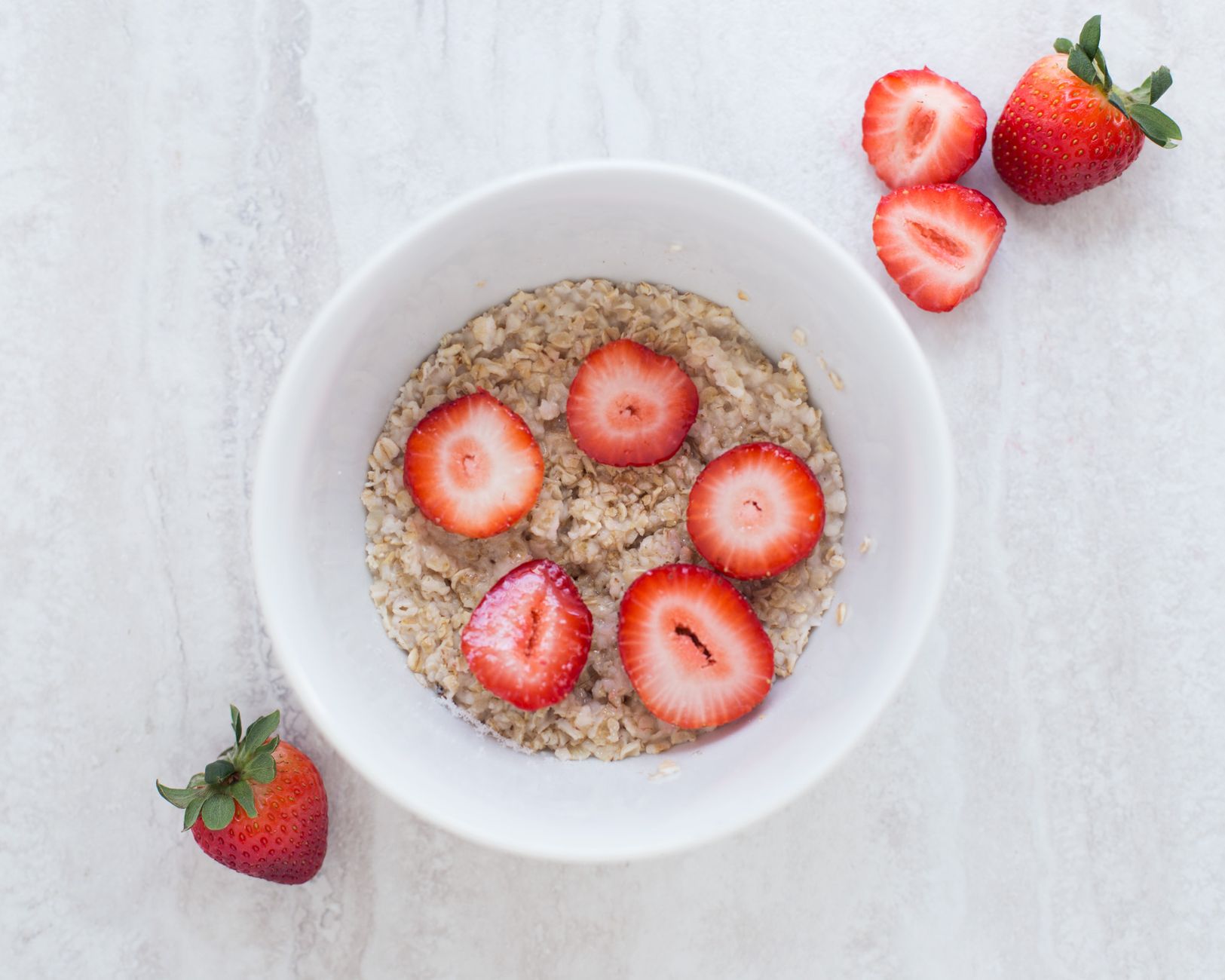
Oats are highly nutritious whole grains packed with essential vitamins, minerals, fiber, and antioxidants. Incorporating oats and oatmeal into your daily diet can support heart health, aid digestion, and assist in weight management.
Nutritional Profile of Oats
Oats are an incredibly well-balanced whole grain. They serve as an excellent source of complex carbohydrates and dietary fiber, particularly a powerful soluble fiber known as beta-glucan. Additionally, oats contain high-quality protein with a balanced profile of essential amino acids, alongside key vitamins and minerals like manganese, phosphorus, magnesium, copper, iron, and zinc.
Rich in Unique Antioxidants
Whole oats are loaded with antioxidants and beneficial plant compounds called polyphenols. Most notably, they contain a unique group of antioxidants called avenanthramides, which are almost exclusively found in oats. These compounds help increase the production of nitric oxide, which dilates blood vessels to improve blood flow and lower blood pressure. They also exhibit anti-inflammatory properties.
The Power of Beta-Glucan Soluble Fiber
The high concentration of beta-glucan in oats offers numerous health advantages. This soluble fiber partially dissolves in water to form a thick, gel-like substance in the digestive tract. This process helps reduce blood glucose and insulin responses, supports the growth of beneficial gut bacteria, and aids in managing type 2 diabetes.
Cardiovascular Benefits and Cholesterol Management
Regular consumption of oats can significantly lower the risk of heart disease by reducing both total and LDL (bad) cholesterol levels. The beta-glucan fiber increases the excretion of cholesterol-rich bile, lowering circulating blood cholesterol. Furthermore, the antioxidants in oats protect LDL cholesterol from oxidation, preventing arterial inflammation and damage.
Blood Sugar Regulation
Oats are highly beneficial for individuals managing type 2 diabetes or insulin resistance. The soluble fiber slows down stomach emptying and delays glucose absorption into the bloodstream. This helps stabilize blood sugar levels and improves overall insulin sensitivity.
Weight Management and Satiety
Oatmeal is a highly filling breakfast option that can support healthy weight loss. The beta-glucan fiber delays digestion, promoting a prolonged feeling of fullness. It also triggers the release of peptide YY, a satiety hormone that helps reduce overall calorie intake throughout the day.
Skin Care and Irritation Relief
Finely ground oats, often referred to as colloidal oatmeal, have long been utilized to treat dry, itchy, or irritated skin. When applied topically, oat-based products can alleviate symptoms of various skin conditions, including eczema, by forming a protective barrier on the skin.
Respiratory Health in Children
Some research suggests that introducing oats early into an infant’s diet may help protect against the development of childhood asthma. This chronic inflammatory airway condition might be mitigated by the early introduction of nutritious whole grains like oats.
Improved Digestive Health and Constipation Relief
Oat bran, the fiber-rich outer layer of the grain, is highly effective at relieving constipation and improving overall digestive function. Regular consumption helps regulate bowel movements and can reduce gastrointestinal symptoms in individuals with inflammatory bowel conditions.
How to Add Oats to Your Diet
Oats are incredibly versatile and easy to prepare. The most common method is making oatmeal by boiling rolled oats in water or milk with a pinch of salt. You can enhance the flavor and nutritional value by adding fresh fruits, nuts, seeds, cinnamon, or Greek yogurt. For those with gluten sensitivities, it is important to choose certified gluten-free oats to avoid cross-contamination.
Leave a Reply