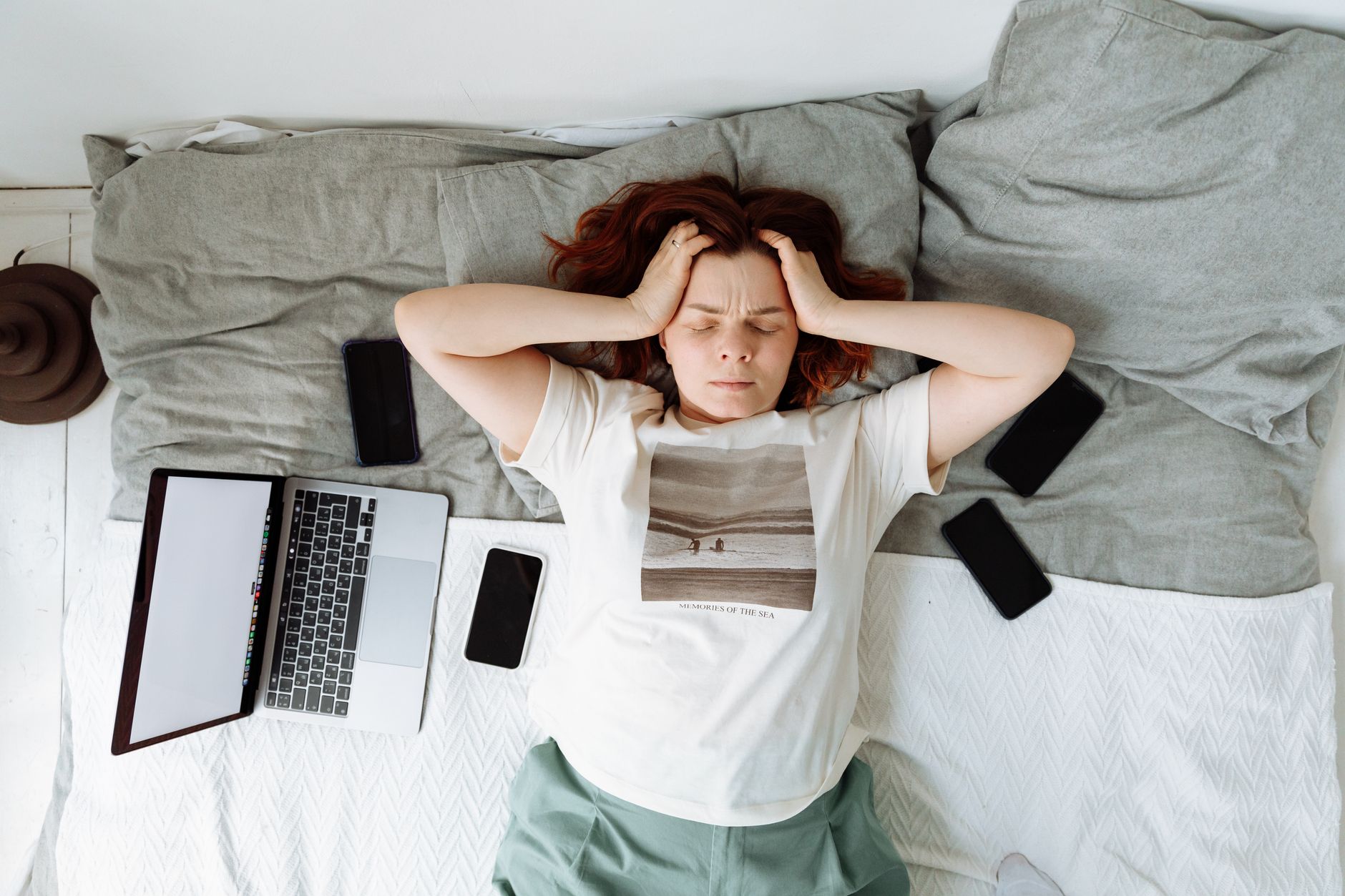
Quality sleep is fundamental for overall health and well-being, playing a crucial role in both physical and mental restoration. Disruptions in sleep patterns can significantly impact daily life, often intertwining with mental health conditions such as anxiety and depression.
The Interplay of Sleep and Anxiety
Anxiety can profoundly affect sleep quality, leading to a cycle of fatigue and heightened anxious states. The constant mental and physical toll of anxiety can result in persistent tiredness, even when attempting to rest. Anxiety dreams are a common manifestation, making a restful night’s sleep elusive and potentially exacerbating feelings of unease.
The link between anxiety and insomnia is well-established, with poor sleep habits often contributing to or worsening anxiety symptoms. Many individuals experience heightened anxiety at night when distractions fade, allowing racing thoughts to dominate. Similarly, morning anxiety can arise from stressful situations or a general sense of apprehension about the day ahead.
Understanding Sleep and Depression
The relationship between sleep and depression is complex and multifaceted. While insufficient sleep is often associated with depression, excessive sleep can also be a symptom or contributing factor. Conditions like sleep apnea, a disorder where breathing repeatedly stops and starts during sleep, have been linked to depressive symptoms.
Distinguishing between general exhaustion and clinical depression can be challenging, as both can present with similar feelings of fatigue. Chronic fatigue syndrome and depression often share connections, impacting an individual’s energy levels and mood. For parents, chronic lack of sleep is a recognized factor affecting mental health. Furthermore, conditions like idiopathic hypersomnia, characterized by excessive daytime sleepiness, can have a complex relationship with depressive symptoms.
Effective Techniques and Practices for Better Sleep
Improving sleep quality often involves adopting specific techniques and practices. Breathing exercises, such as deep diaphragmatic breathing, can significantly lower stress levels and prepare the body for rest. Meditation is another powerful tool, shown to calm the mind and promote deeper, more restorative sleep. Strategies to ease nighttime anxiety, including mindfulness and relaxation methods, are vital for those struggling to fall asleep.
Simple tips can also make a big difference. Establishing a consistent sleep schedule, creating a comfortable sleep environment, and avoiding stimulants before bed are foundational for good sleep hygiene. There are numerous evidence-based tips available to help individuals fall asleep faster and achieve better sleep quality.
Tools and Natural Aids for Restful Nights
Various tools and natural aids can support better sleep. Weighted blankets, for instance, are often used to help manage anxiety and promote deeper sleep through gentle pressure. Melatonin, a hormone that regulates sleep-wake cycles, is sometimes used to ease anxiety before medical procedures, though its effectiveness for general anxiety or depression is still being researched.
Several natural sleep aids, including certain herbal remedies and supplements, are explored by individuals seeking alternatives for improving sleep. Understanding how melatonin works and its potential benefits or drawbacks is important. Simple tools like eye masks can also be effective by blocking out light, helping individuals drift off more quickly.
Fundamentals of Healthy Sleep
Understanding the basics of sleep is key to prioritizing it. Getting quality sleep offers numerous health benefits, from improved cognitive function to enhanced mood. Calculating individual sleep needs and establishing an optimal bedtime are essential steps. For those who feel tired but can’t sleep, addressing underlying issues and adopting healthy habits can lead to more restful nights.
Sleep hygiene encompasses a range of healthy sleep habits and practices throughout the day and night. Familiarity with the different stages of sleep—REM and non-REM—helps in appreciating sleep’s restorative functions. While sufficient sleep is vital, oversleeping can sometimes indicate exhaustion or an underlying health condition. Recognizing symptoms of excessive daytime sleepiness and understanding the purpose of sleep—repairing, restoring, and re-energizing the body and brain—underscores its importance.
Additional Strategies for Optimal Sleep
Beyond core practices, certain dietary choices can influence sleep. Specific foods and drinks, such as nuts or herbal teas, may promote relaxation and better sleep. Managing excessive daytime sleepiness often involves a combination of lifestyle adjustments and addressing root causes. For infrequent insomnia, home remedies like mindfulness techniques can often provide relief, helping individuals achieve a more peaceful night’s rest.
Leave a Reply