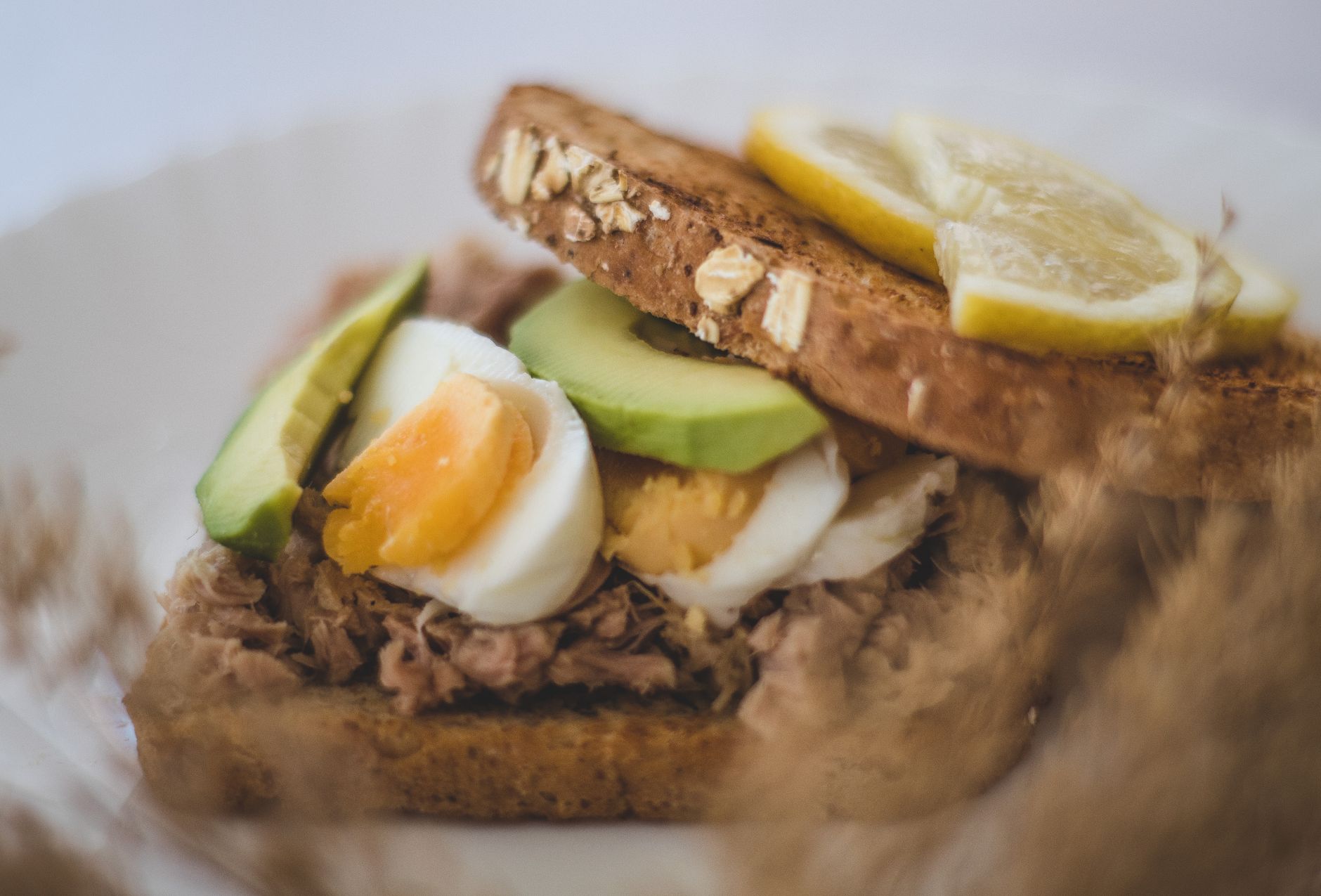
Understanding the role of diet and nutrition is fundamental for maintaining optimal health throughout life, particularly during significant physiological transitions such as menopause. A well-balanced diet can significantly impact energy levels, weight management, and overall well-being, addressing various concerns that arise during these periods.
Navigating Diet and Nutrition During Menopause
For individuals experiencing perimenopause and menopause, dietary choices become even more critical. Focusing on specific foods can help manage symptoms and support health. For instance, incorporating foods rich in phytoestrogens, plant compounds that may mimic estrogen’s effects, can be beneficial. Examples include various fruits, vegetables, and legumes.
Common challenges during menopause include weight gain, fatigue, and extreme hunger, often linked to hormonal fluctuations. Strategic meal planning, emphasizing energy-boosting foods, can combat fatigue. Regarding weight management, understanding that significant weight gain is common during this transition is key, and dietary adjustments can help mitigate its duration and impact. Furthermore, certain diets tailored for women over 50 may offer specific advantages for optimizing health.
It is also important to consider the impact of lifestyle choices, such as alcohol consumption, on menopausal symptoms. Understanding how drinking can affect the body during this time allows for informed decisions about moderation.
The Importance of Protein for Health
Protein is an indispensable macronutrient vital for numerous bodily functions, including muscle maintenance, satiety, and metabolic health. Research consistently highlights the importance of adequate protein intake for overall health, weight management, and body composition.
Determining the optimal daily protein intake depends on individual factors like age, activity level, and health goals. A wide array of delicious high-protein foods is available, ranging from lean meats and dairy to plant-based options. For those following vegetarian or vegan diets, excellent sources include lentils, beans, tofu, nuts, and seeds. Prioritizing heart-healthy proteins, such as fish and legumes, over red and processed meats, further supports cardiovascular well-being.
Fiber: A Cornerstone of Digestive Health
Fiber plays a crucial role in digestive health, promoting regularity, aiding in blood sugar control, and contributing to a feeling of fullness, which can assist with weight management. Foods high in fiber include pears, strawberries, avocados, oats, and kidney beans.
Fiber is categorized into two main types: soluble and insoluble. Soluble fiber dissolves in water and forms a gel-like substance, helping to lower cholesterol and glucose levels. Insoluble fiber does not dissolve and adds bulk to stool, promoting bowel regularity. Understanding the difference helps in incorporating a variety of fiber-rich foods into the diet.
While fiber is highly beneficial, it is possible to consume too much, which can lead to symptoms like bloating and discomfort. Optimal daily fiber intake varies based on age and gender, and it’s important to gradually increase intake to allow the digestive system to adjust.
Vitamin D: Essential for Bone and Overall Well-being
Vitamin D is a critical nutrient essential for bone health, immune function, and overall well-being. Many people may not get enough Vitamin D from their diet alone, making it important to understand its sources and how to maintain adequate levels.
A low Vitamin D level can have various implications for health, and the specific threshold for what constitutes ‘low’ can vary. While sunlight exposure is a primary source, incorporating nutritious foods high in Vitamin D, such as fatty fish, fortified dairy products, and certain mushrooms, is also beneficial. There is ongoing discussion about the ‘best time’ to take Vitamin D supplements, though consistency is often more important than timing. Furthermore, research continues to explore the complex relationship between Vitamin D levels and other health markers, such as cholesterol.
By focusing on a balanced diet rich in essential nutrients like protein, fiber, and Vitamin D, individuals can proactively support their health, especially during life stages like menopause, fostering greater vitality and well-being.
Leave a Reply