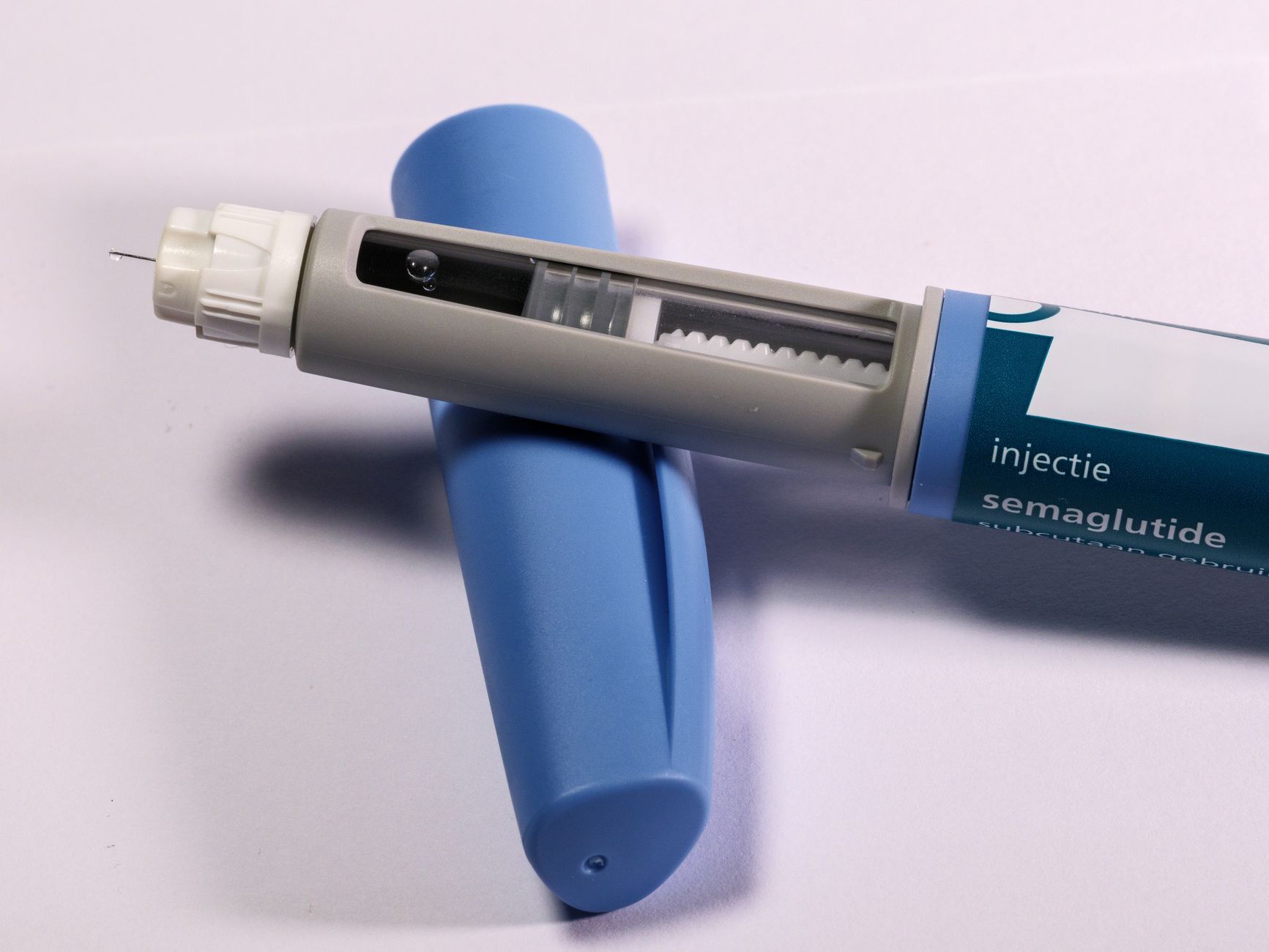
GLP-1 receptor agonists are a class of medications that have gained significant attention for their role in managing type 2 diabetes and promoting weight loss. These drugs mimic the action of a natural hormone called glucagon-like peptide-1, which helps regulate blood sugar levels, slow gastric emptying, and increase feelings of fullness, leading to reduced food intake.
Understanding GLP-1 Medications
GLP-1 medications are prescribed for various conditions, primarily type 2 diabetes and chronic weight management. They work by stimulating insulin release when blood sugar levels are high, suppressing glucagon secretion, and affecting appetite centers in the brain. This multifaceted action makes them effective tools in metabolic health.
Semaglutide: Wegovy, Ozempic, and Rybelsus
Semaglutide is a widely recognized GLP-1 agonist available under several brand names. Wegovy is specifically approved for chronic weight management in adults and certain children, while Ozempic and Rybelsus are primarily indicated for type 2 diabetes, though Ozempic is often used off-label for weight loss.
Semaglutide can be administered as a subcutaneous injection (Wegovy, Ozempic) or an oral tablet (Rybelsus). The choice between oral and injectable forms depends on individual patient needs and preferences. Proper injection technique and medication storage are crucial for effectiveness and safety.
When taking semaglutide, incorporating a balanced diet rich in whole foods, fruits, and vegetables can enhance its impact. Conversely, certain foods may need to be limited to minimize potential side effects. Patients should be aware that weight regain can occur after stopping semaglutide, and withdrawal symptoms are possible if the medication is discontinued abruptly. Long-term side effects and safety during pregnancy are important considerations to discuss with a healthcare provider.
Beyond weight and blood sugar control, semaglutide has demonstrated cardiovascular benefits, reducing the risk of heart attack and stroke in individuals with type 2 diabetes. The availability of compounded semaglutide has raised safety concerns, as these formulations are not FDA-approved and may differ in quality and efficacy from brand-name products.
Cost can be a significant factor, and various programs and insurance coverages may help manage prescription expenses. Obtaining semaglutide requires a prescription from a licensed healthcare professional.
Tirzepatide: Zepbound and Mounjaro
Tirzepatide is a newer medication that acts as both a GLP-1 and GIP (glucose-dependent insulinotropic polypeptide) receptor agonist, offering a dual mechanism of action. Zepbound is approved for chronic weight management, while Mounjaro is indicated for type 2 diabetes, with off-label use for weight loss.
Similar to semaglutide, tirzepatide helps regulate blood sugar and promotes weight loss. Patients should be informed about potential side effects, appropriate dosages, and interactions with alcohol or other medications. A specific diet plan, focusing on whole foods, can complement the medication’s effects. Comparing tirzepatide with semaglutide reveals differences in effectiveness and side effect profiles, which healthcare providers consider when prescribing.
Information regarding cost, financial assistance programs, and safe online purchasing options for Zepbound and Mounjaro is available for patients seeking these treatments.
Liraglutide: Saxenda and Victoza
Liraglutide is another GLP-1 receptor agonist. Saxenda is approved for chronic weight management, while Victoza is used for type 2 diabetes and to reduce the risk of major adverse cardiovascular events in adults with type 2 diabetes and established cardiovascular disease.
Patients using liraglutide should understand its cost, potential side effects, and how it compares to other GLP-1 medications like Wegovy. Managing side effects and understanding medication interactions are key aspects of treatment. Prescriptions for Saxenda and Victoza must be obtained from a healthcare professional.
Dulaglutide: Trulicity
Dulaglutide, marketed as Trulicity, is primarily used for the treatment of type 2 diabetes and to reduce the risk of major adverse cardiovascular events in adults with type 2 diabetes. While not specifically approved for weight loss, some individuals may experience weight reduction as a side effect.
Information on Trulicity’s side effects, dosage, cost, and interactions with other medications is important for patients. Coverage by insurance plans, including Medicare, can vary and should be investigated.
General Considerations for GLP-1 Therapy
Deciding if GLP-1 medications are appropriate involves a thorough evaluation by a healthcare provider, considering individual health conditions, goals, and potential risks. A comprehensive approach that includes dietary changes, physical activity, and medical supervision is essential for successful and sustainable outcomes with GLP-1 therapy.
Leave a Reply