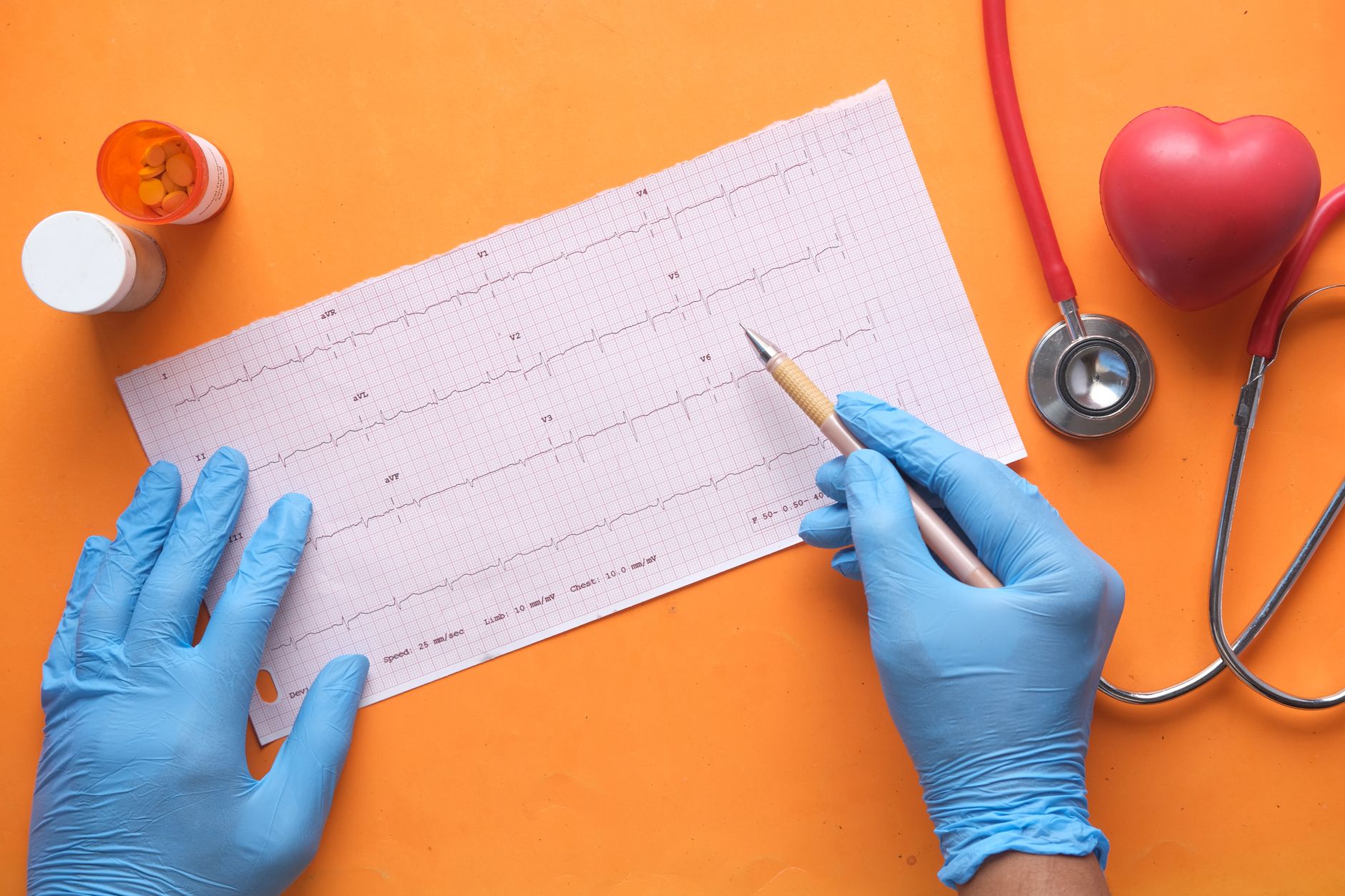
Menopause marks a significant transition in a woman’s life, bringing hormonal fluctuations that can profoundly impact cardiovascular health. As estrogen levels decline, women face an increased risk of heart-related issues, making it crucial to understand the connection between menopause and heart health.
Hormonal Changes and Cardiovascular Risks
During menopause, the reduction of estrogen can lead to various cardiovascular changes. Many women experience heart palpitations, which are often linked to fluctuating hormone levels. Additionally, this transition period can contribute to rising blood pressure and cholesterol levels, both of which are major risk factors for heart disease. Understanding these changes is the first step toward proactive prevention.
Recognizing Heart Attack Symptoms in Women
Heart disease remains a leading cause of death among women, yet its symptoms can differ significantly from those experienced by men. While chest pain is common, women are more likely to experience atypical signs such as shortness of breath, nausea, back or jaw pain, and extreme fatigue. Recognizing these subtle warning signs early can save lives.
Dietary Strategies for a Stronger Heart
Nutrition plays a pivotal role in maintaining cardiovascular strength during and after menopause. Incorporating nutrient-dense, heart-healthy foods into your daily diet can help manage cholesterol and blood pressure. Opting for whole grains, lean proteins, and antioxidant-rich fruits and vegetables, while making simple ingredient substitutions, supports long-term arterial health.
Safe Exercise and Lifestyle Habits
Physical activity is essential for protecting the heart as we age. Engaging in low-impact cardio exercises, managing chronic stress, and ensuring quality sleep are vital components of a heart-healthy lifestyle. For those recovering from heart conditions, starting a tailored exercise routine under medical guidance can safely restore strength and improve overall well-being.
Leave a Reply