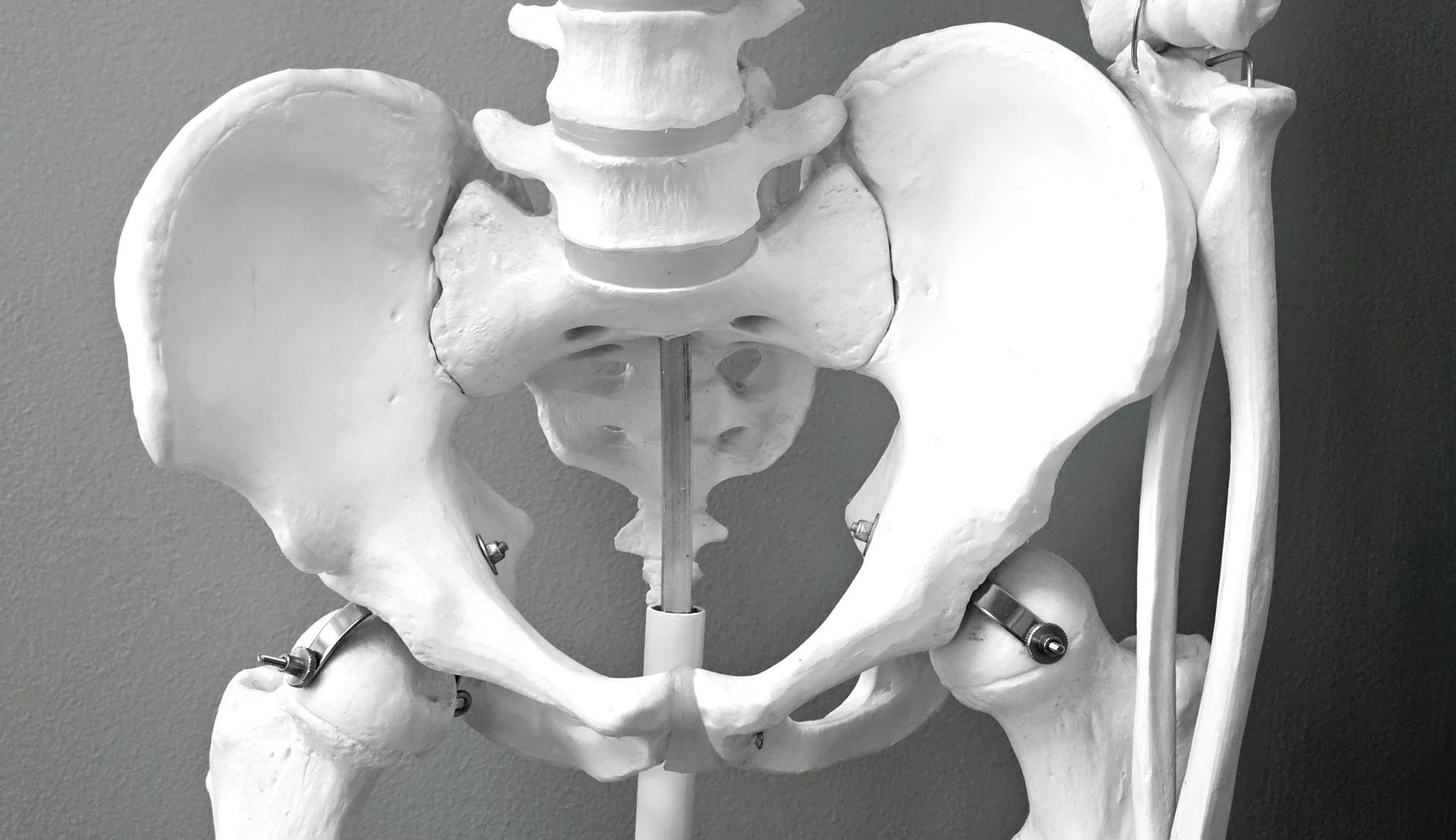
Menopause brings significant hormonal changes that directly impact a person’s musculoskeletal system. As estrogen levels decline, the risk of developing bone-related conditions like osteopenia and osteoporosis increases rapidly. Understanding these changes is crucial for maintaining long-term mobility, strength, and overall quality of life.
Understanding Osteoporosis and Osteopenia
Osteopenia is a condition characterized by lower-than-normal bone density, which often serves as a precursor to osteoporosis. When estrogen levels drop during and after menopause, bone resorption outpaces bone formation, leading to weaker, more fragile bones. Postmenopausal osteoporosis is a common consequence of this hormonal shift, making individuals more susceptible to fractures from minor falls or daily activities. While common in older age, severe bone loss is not an inevitable part of aging and can be actively managed.
The Impact of Menopause on Joints and Muscles
Hormonal fluctuations during menopause do not just affect bones; they also impact joints and muscles. Many individuals experience worsening joint pain and an increased risk of developing arthritis during this transition. Additionally, aging and hormonal changes contribute to sarcopenia, a condition characterized by the gradual loss of muscle mass, strength, and physical performance. Addressing these muscular and joint changes is essential to prevent chronic pain and maintain functional independence.
Effective Strategies for Prevention and Management
Fortunately, several proactive measures can mitigate bone and muscle loss. Hormone Replacement Therapy (HRT) is one medical option that helps restore estrogen levels, thereby protecting bone density. Beyond medical interventions, lifestyle adjustments play a vital role. Engaging in weight-bearing and resistance exercises promotes hormonal balance and stimulates bone growth. Nutritional strategies, including anti-inflammatory diets and targeted supplements like calcium and vitamin D, further support musculoskeletal health and help alleviate joint discomfort naturally.
Leave a Reply