Menopause is a significant biological transition that affects more than just the physical body. For many women, the hormonal fluctuations associated with perimenopause and menopause can profoundly impact emotional health and mental well-being. Addressing these changes openly is essential to breaking the stigma surrounding this natural phase of life.
Understanding the Link Between Menopause and Mood Changes
During perimenopause, the transition phase leading up to menopause, estrogen and progesterone levels fluctuate unpredictably. These hormonal shifts can trigger sudden mood swings, irritability, and even intense episodes of anger, often referred to as perimenopause rage. Understanding that these emotional shifts have a biological basis can help individuals navigate them with greater self-compassion.
Addressing Anxiety and Depression During Perimenopause
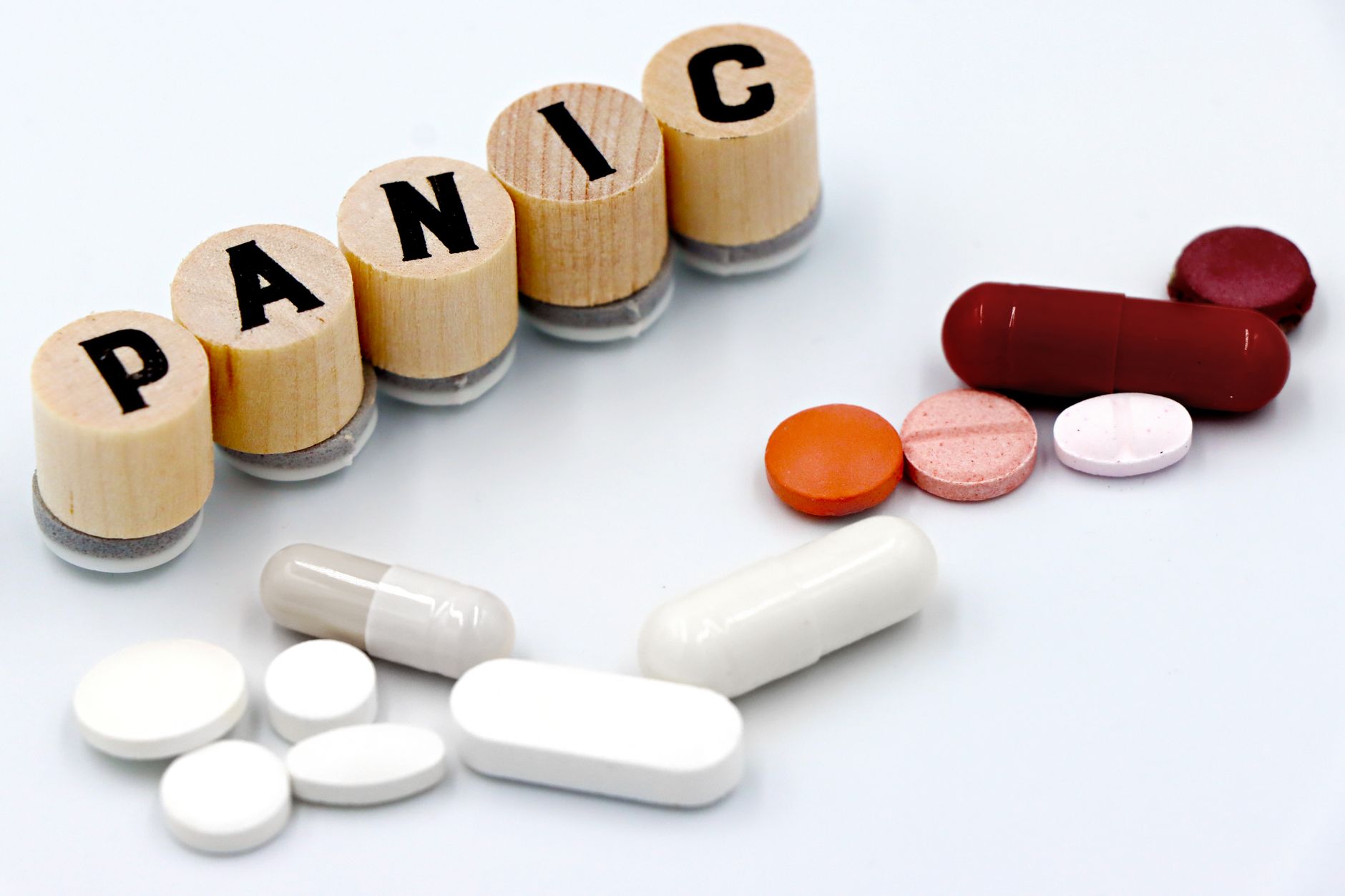
Anxiety and depression are common psychological symptoms experienced during the menopausal transition. Some individuals may experience heightened anxiety or panic-like symptoms, while others might develop clinical depression. Factors such as sleep disturbances, life stressors, and even nutritional deficiencies, like low vitamin D levels, can further exacerbate these mood disorders. Seeking professional guidance and exploring treatment options is crucial for managing these symptoms effectively.
Strategies for Managing Mental Well-Being and Midlife Transitions
Navigating menopause often requires a shift in lifestyle and perspective. Many find that the physical and emotional demands of this period force a reevaluation of work-life balance, prompting a move away from exhausting hustle culture. Prioritizing self-care, maintaining a balanced diet, staying active, and seeking social support can transform this midlife transition into an opportunity for personal growth and renewed well-being.
Leave a Reply