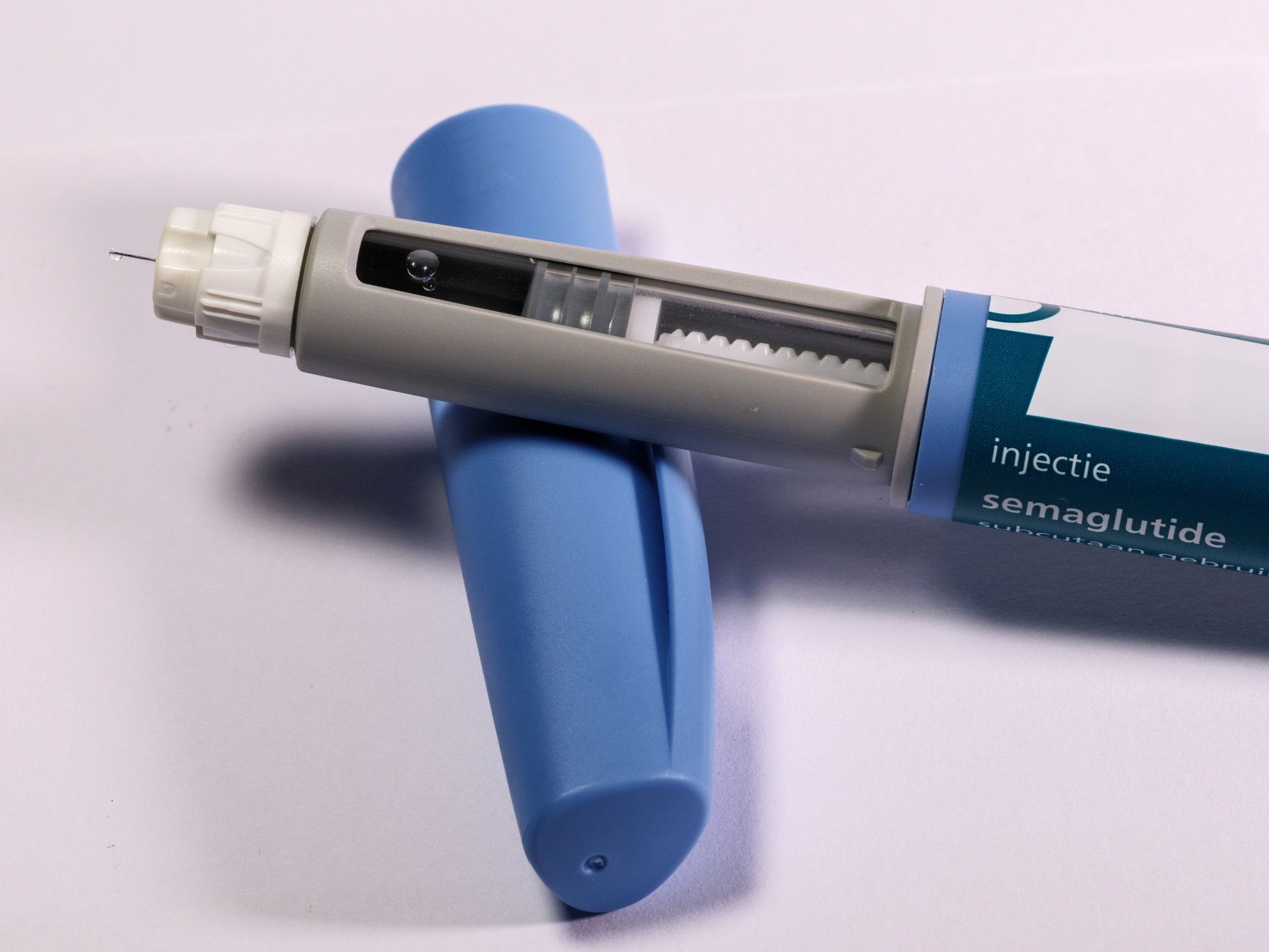
GLP-1 receptor agonists are a class of medications increasingly recognized for their role in weight management and the treatment of type 2 diabetes. These drugs mimic the action of a natural hormone, glucagon-like peptide-1, which helps regulate blood sugar, slow gastric emptying, and promote feelings of fullness, leading to reduced food intake and weight loss.
Understanding GLP-1 Medications
A comprehensive guide to GLP-1 medications covers various aspects, including their cost, effectiveness, and how they function. Deciding if GLP-1s are suitable involves understanding who is a good candidate and which specific type might be most appropriate for individual needs. A GLP-1 diet typically emphasizes whole foods such as fruits, vegetables, lean proteins, and healthy fats to support the medication’s effects.
Semaglutide (Wegovy, Ozempic, Rybelsus)
Semaglutide is a widely discussed GLP-1 medication available under brand names like Wegovy, Ozempic, and Rybelsus. While Ozempic and Rybelsus are primarily for managing blood sugar in type 2 diabetes, Wegovy is specifically approved for chronic weight management. Understanding the differences between these formulations, such as Ozempic vs. Wegovy, is crucial for patients and healthcare providers.
For weight loss, semaglutide is prescribed as Wegovy. It can be administered as oral tablets or injections, each with specific considerations for use. Incorporating a balanced diet is essential to maximize the impact of semaglutide. Patients often wonder about maintaining weight loss after stopping semaglutide, as weight regain can occur. Long-term side effects and potential withdrawal symptoms upon discontinuation are also important considerations.
Proper administration involves subcutaneous injection, typically in the abdomen, thigh, or upper arm. Storage instructions are vital to maintain the medication’s efficacy. Obtaining semaglutide requires a prescription from a licensed healthcare professional. Safety during pregnancy is a significant concern, with medical advice generally recommending against its use due to potential risks. Beyond weight and diabetes, semaglutide has shown benefits in reducing the risk of heart attack and stroke in individuals with type 2 diabetes.
The use of compounded semaglutide has raised questions regarding safety and efficacy, as these formulations are not FDA-approved. For those prescribed Ozempic, understanding which foods to avoid can help minimize side effects and optimize results. Various alternatives to Ozempic exist for type 2 diabetes and weight loss, which may be considered if Ozempic is not suitable or available.
Tirzepatide (Zepbound, Mounjaro)
Tirzepatide, marketed as Zepbound and Mounjaro, represents another significant advancement in GLP-1 therapy, uniquely acting as both a GLP-1 and GIP receptor agonist. Zepbound is approved for weight loss, while Mounjaro is for type 2 diabetes. Information on uses, side effects, dosage, and cost is readily available. Understanding potential interactions with alcohol and other drugs is crucial for safe use. Comparing tirzepatide and semaglutide for weight loss effectiveness and side effect profiles helps in treatment decisions. A Mounjaro diet plan focuses on foods to eat and avoid to support its effects.
Liraglutide (Saxenda, Victoza)
Liraglutide is another GLP-1 agonist, known by brand names Saxenda and Victoza. Saxenda is prescribed for weight management, while Victoza is for type 2 diabetes. Key information includes cost, side effects, and dosage. Understanding the differences between Saxenda and Wegovy (semaglutide) can guide treatment choices. Like other GLP-1s, Victoza has specific interactions and financial assistance programs may be available to help with costs. Managing potential side effects is an important aspect of treatment.
Dulaglutide (Trulicity)
Dulaglutide, sold as Trulicity, is primarily used for type 2 diabetes and has also been observed to cause weight loss in some individuals. Information on its side effects, uses, dosage, and cost is important for patients. Understanding interactions with other medications and alcohol is necessary. Medicare coverage for Trulicity is a common inquiry for eligible patients.
General Considerations for GLP-1 Therapy
When considering GLP-1 medications, it’s important to discuss with a healthcare professional whether these treatments are appropriate. This includes evaluating individual health conditions, potential benefits, and risks. Adopting a supportive diet and lifestyle changes can enhance the effectiveness of these medications. For those using injectable forms, proper injection techniques and travel guidelines are also relevant. Exploring alternatives to specific GLP-1 drugs with a doctor is always an option if a particular medication is not suitable or causes adverse effects.
Leave a Reply