Embracing Preventive Care for a Healthier, Longer Life
Preventive care is a cornerstone of maintaining good health and extending longevity. By taking proactive steps, individuals can significantly influence their well-being, reduce the risk of chronic diseases, and enhance their quality of life as they age. This approach emphasizes regular health monitoring, adopting beneficial lifestyle habits, and understanding how to navigate the healthcare system effectively.
The Importance of Regular Checkups and Screenings
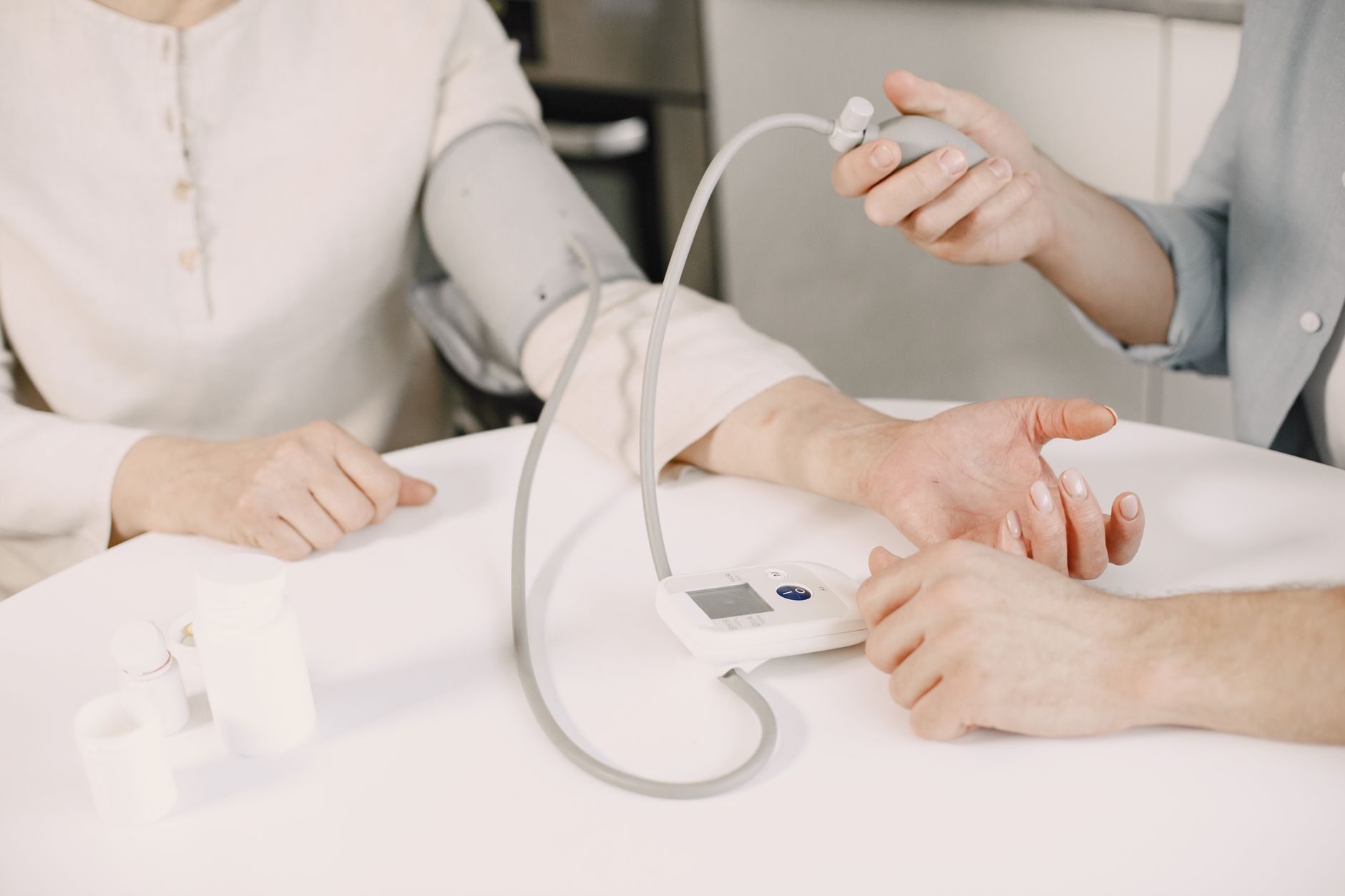
Routine medical checkups are vital for early detection and prevention of potential health issues. The frequency of these visits can vary based on age, health status, and individual risk factors. As people age, the need for regular medical tests typically increases, making it crucial to stay informed about recommended screenings. Understanding what is covered under a preventive care insurance plan can also help individuals utilize these essential services without financial burden.
Cultivating Habits for Enhanced Longevity
A significant portion of one’s lifespan and health quality is within personal control through daily habits. Adopting a balanced diet, engaging in regular physical activity, and managing stress are fundamental. Beyond general wellness, specific measures like practicing good hygiene and staying updated on vaccinations are crucial for preventing common illnesses such as colds, flu, and COVID-19, regardless of age.
Recognizing and Addressing Key Symptoms
While some symptoms are easily identifiable as serious health concerns, others might be subtly dismissed as normal signs of aging. It is imperative to pay close attention to any new or unusual bodily changes. Certain symptoms, particularly for women and older adults, should never be ignored as they could indicate underlying health problems requiring prompt medical attention. Early recognition and consultation with a healthcare professional can lead to timely diagnosis and more effective treatment.
Navigating the Healthcare Landscape
Choosing the right healthcare professionals is a critical step in managing one’s health. A primary care physician serves as the central point for most healthcare needs, guiding patients through various treatments and referrals. Understanding the different types of health professionals available can help individuals seek specialized care when necessary. Furthermore, resources and tips are available to assist specific communities, such as LGBTQIA+ elders, in finding inclusive and supportive care that addresses their unique health disparities.
Ensuring Safety and Preventing Falls
Safety measures play a crucial role in preventive health, especially for older adults. Falls, for instance, can lead to serious health complications. Implementing practical tips for fall prevention in the home and daily life can significantly reduce this risk. Additionally, medical alert systems offer an extra layer of safety, providing immediate assistance in emergencies, often equipped with advanced features like accelerometers to detect falls automatically.
Understanding Cognitive Health as You Age
Cognitive changes are a natural part of the aging process, but understanding these changes and monitoring brain health is important. Tools and assessments are available to track cognitive function over time, helping individuals and their doctors identify any significant decline early. Proactive engagement with cognitive health can support mental well-being and independence.
Leave a Reply