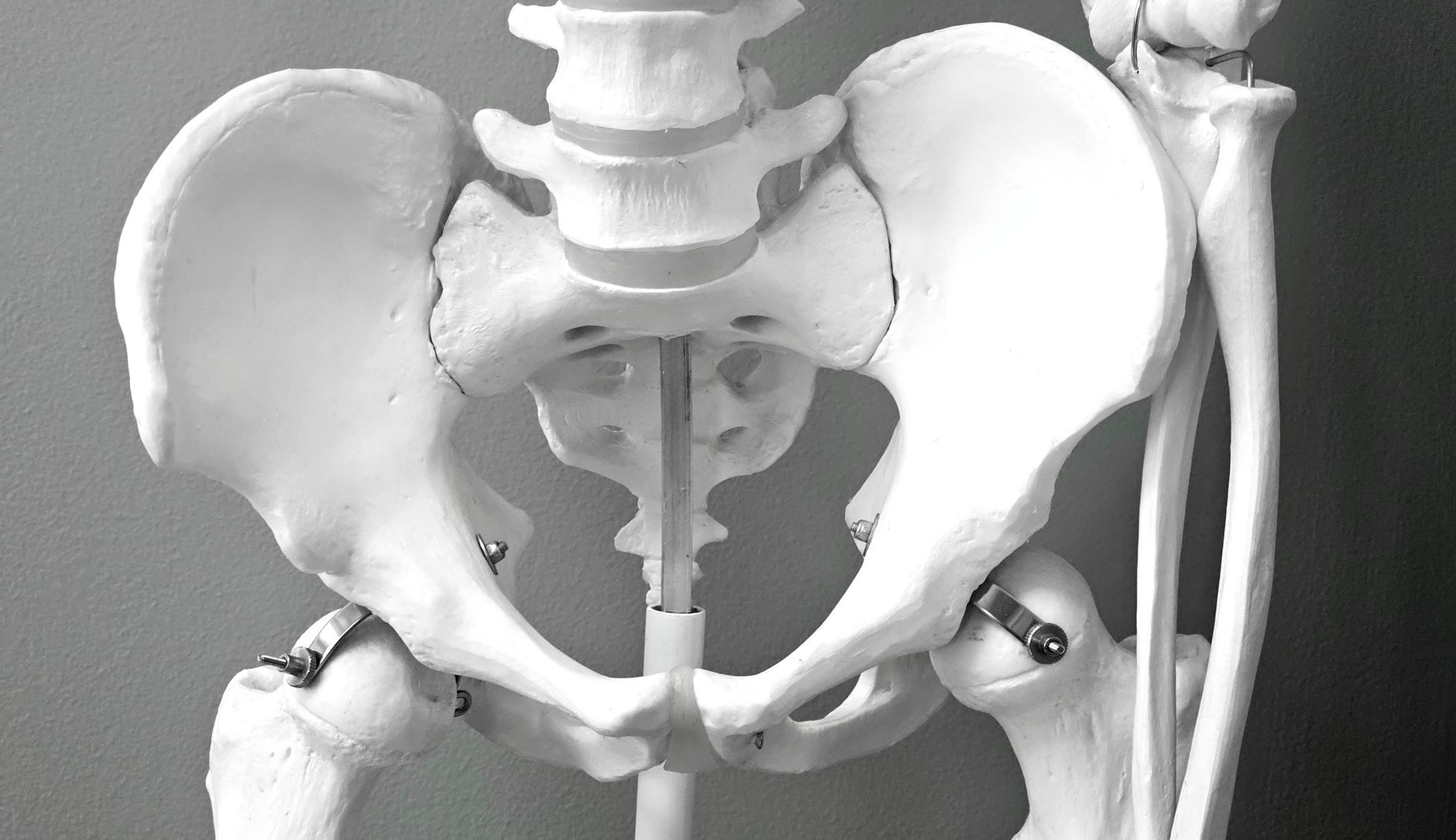
Understanding Menopause and Bone Health
Menopause brings significant hormonal changes that directly impact musculoskeletal health. As estrogen levels decline, the risk of developing conditions like osteoporosis and osteopenia increases. Estrogen plays a crucial role in maintaining bone density, and its reduction accelerates bone loss, making proactive management essential for long-term wellness.
Addressing Joint Pain and Arthritis during Menopause
Many individuals experience worsening joint pain and an increased risk of arthritis during the menopausal transition. Fluctuating hormone levels can contribute to joint inflammation and discomfort. Recognizing these symptoms early allows for targeted interventions to maintain joint mobility and reduce daily discomfort.
Preventing Muscle Loss and Sarcopenia
Aging and hormonal shifts can also lead to sarcopenia, a condition characterized by the gradual loss of muscle mass, strength, and physical performance. Preserving muscle function is vital for supporting joints and maintaining overall mobility, requiring a combination of targeted physical activity and proper nutrition.
Effective Strategies for Musculoskeletal Support
Managing bone and muscle health during and after menopause involves a multi-faceted approach. Hormone replacement therapy (HRT) can help restore estrogen levels, thereby protecting bone density. Additionally, weight-bearing exercises, strength training, and targeted supplements like calcium and vitamin D play a critical role in strengthening the skeletal system naturally.
Leave a Reply