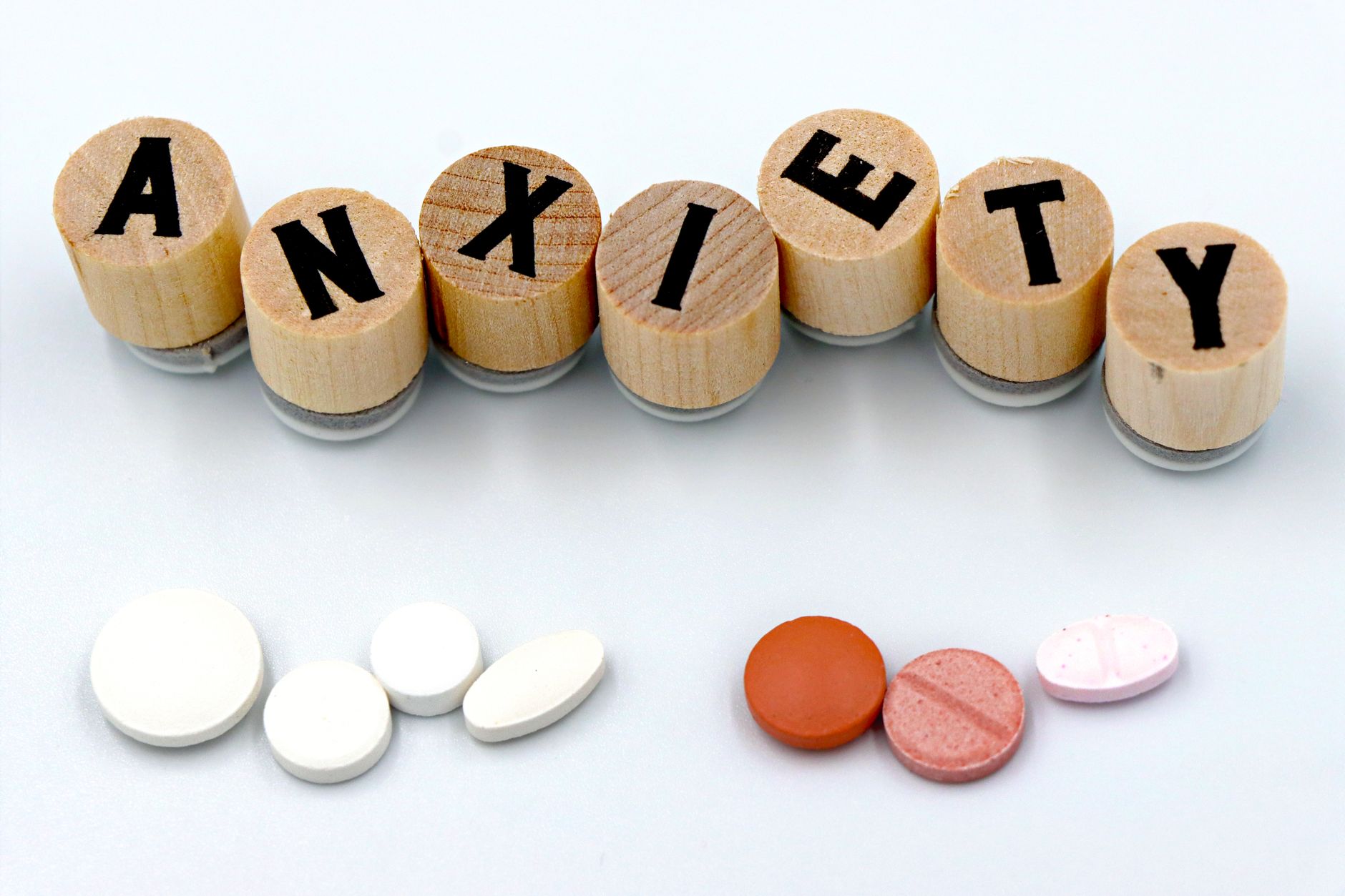
Depression is a complex mental health condition that affects millions of people worldwide. Managing it effectively often requires a comprehensive approach that combines lifestyle changes, professional therapy, and medical interventions. Understanding the diverse range of treatment options available can empower individuals to take control of their mental well-being and find the path to recovery that works best for them.
Lifestyle Adjustments and Coping Strategies
Small, daily habits can play a significant role in mitigating the symptoms of depression. Incorporating regular physical exercise, practicing mindfulness or meditation, and maintaining a structured routine can naturally boost serotonin levels. Behavioral activation, which involves setting small, manageable goals to overcome a lack of motivation, is another highly effective strategy. Additionally, natural approaches such as light therapy and herbal supplements can support overall emotional balance.
Psychotherapy and Behavioral Interventions
Professional therapy remains a cornerstone of depression treatment. Cognitive Behavioral Therapy (CBT) is widely utilized to help individuals identify and modify negative thought patterns and behaviors. Other therapeutic modalities, including behavioral activation therapy, focus on re-engaging with positive activities. For those seeking support, both inpatient and outpatient programs offer structured environments tailored to different levels of need, while support networks and service animals can provide valuable emotional assistance.
Medical Treatments and Antidepressants
For many, pharmacological treatment is an essential component of managing depression. Antidepressants, such as selective serotonin reuptake inhibitors (SSRIs) and other prescription medications like bupropion, help regulate brain chemistry. While these medications can be highly effective, it is crucial to work closely with a healthcare provider to monitor potential side effects, understand drug interactions, and explore combination therapies if initial treatments do not yield the desired results.
Advanced Options for Treatment-Resistant Depression
When standard treatments do not provide sufficient relief, advanced medical interventions may be considered. Transcranial Magnetic Stimulation (TMS) is a non-invasive procedure that uses magnetic fields to stimulate nerve cells in the brain, offering hope for treatment-resistant depression. Emerging research into alternative treatments, including supervised psychedelic therapy, also continues to expand the horizons of modern psychiatric care.
Leave a Reply