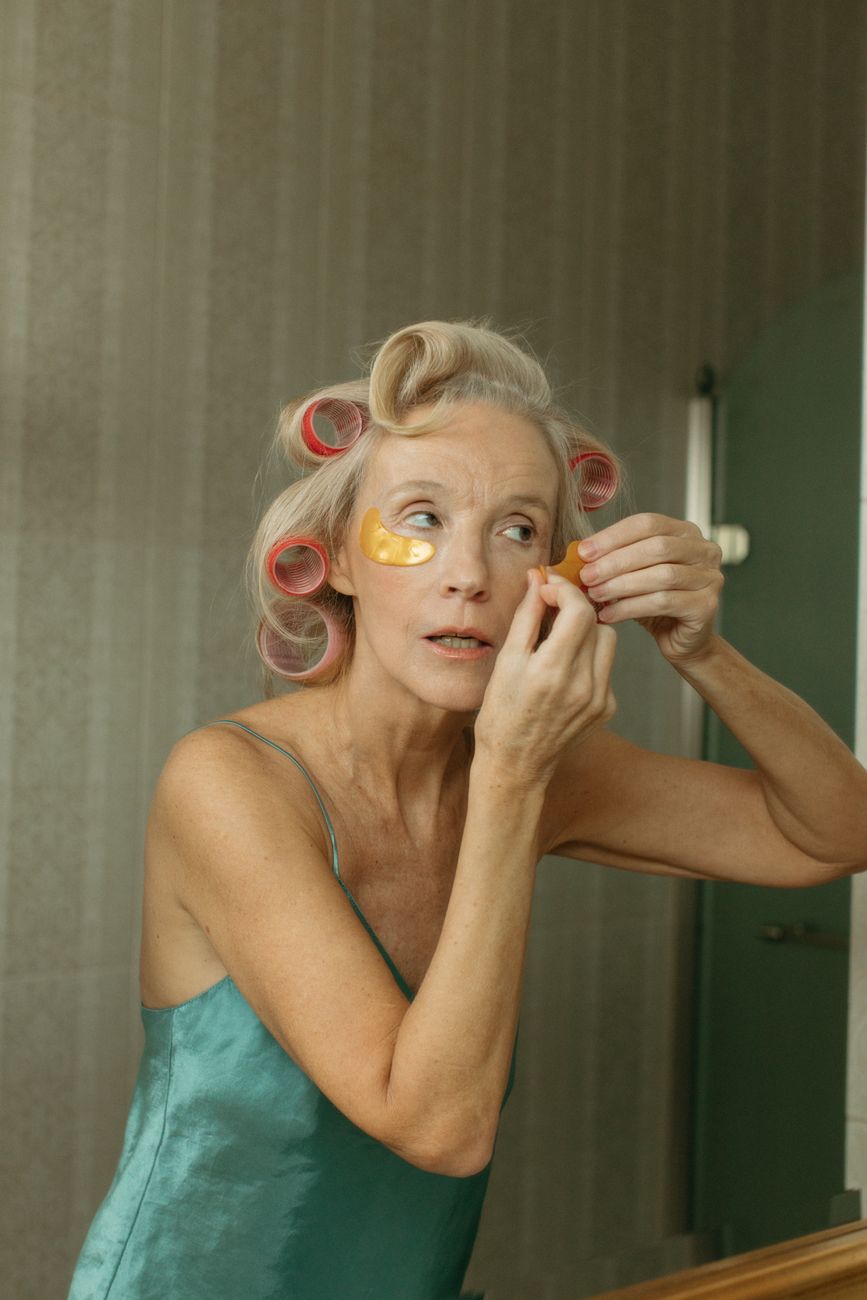
Hormonal fluctuations during menopause can significantly impact a woman’s body, with the skin and hair being among the most visibly affected areas. As estrogen levels decline, the body undergoes various physiological changes that alter the texture, elasticity, and overall health of both skin and hair.
How Menopause Affects Your Skin
The reduction in estrogen before and during menopause often leaves the skin more vulnerable to irritation, dryness, and sudden rashes. Many women experience persistent itching or notice the onset of conditions like rosacea, which causes redness on the face, neck, or chest. This is frequently exacerbated by hot flashes, a common menopausal symptom.
Additionally, aging skin naturally loses its elasticity, reducing its ability to bounce back. While some women consider Hormone Replacement Therapy (HRT) to manage these symptoms, its effects on the skin can vary widely depending on the dosage and individual health profile. Understanding these changes is the first step toward adopting a protective skincare routine.
Understanding Hair Changes During Menopause
Hair health is equally susceptible to hormonal shifts. Many women report sudden hair loss, thinning, or the appearance of bald spots during this transitional phase. As estrogen levels drop, the relative influence of androgens can increase, sometimes leading to the growth of unwanted facial hair on the chin and neck.
Addressing menopausal hair loss involves exploring various treatment options, ranging from topical solutions to natural remedies. For instance, evening primrose oil is frequently discussed for its potential hormone-balancing and anti-inflammatory properties, though consulting a healthcare professional remains essential for finding the most effective treatment plan.
Leave a Reply