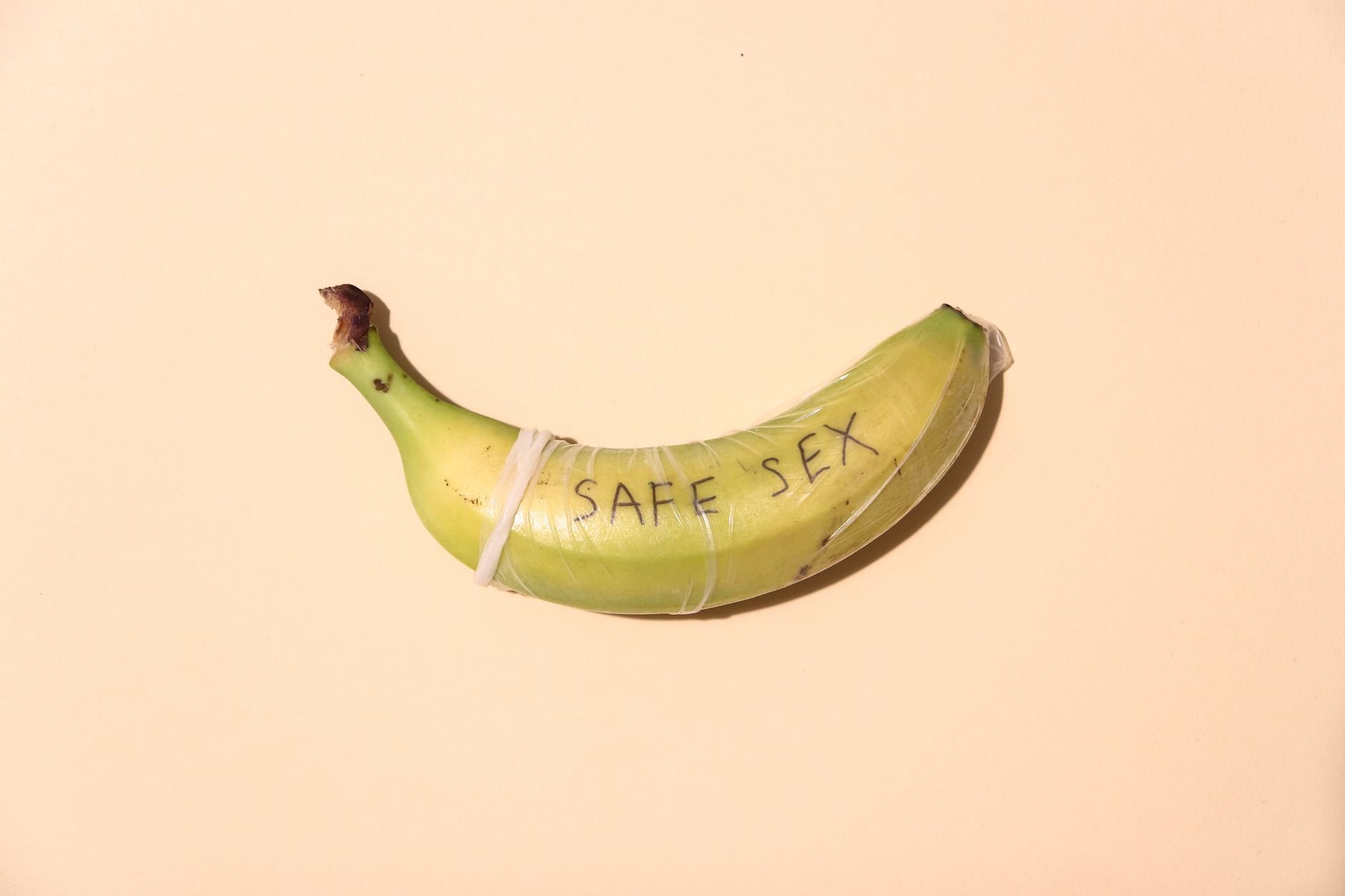
Menopause is a natural transition, yet society often portrays it as the end of a vibrant sex life. In reality, many individuals experience a fulfilling and active sex life well into their 50s, 60s, and beyond. Understanding the physiological changes that occur during this phase is the first step toward maintaining intimacy and sexual wellness.
Understanding Postmenopausal Sexual Symptoms
Hormonal fluctuations during and after menopause can lead to physical changes in the body. One of the most common issues is vaginal dryness, which occurs as estrogen levels decline, causing the vaginal walls to thin and lose elasticity. This condition, often referred to as vaginal atrophy or genitourinary syndrome of menopause, affects a significant percentage of postmenopausal individuals.
These physical changes can make sexual intercourse uncomfortable or even painful. Painful sex is a highly prevalent issue that many suffer from in silence. Recognizing that these symptoms are common and treatable is crucial for seeking timely help and improving quality of life.
Effective Treatments for Vaginal Dryness
Fortunately, numerous options exist to manage vaginal dryness and discomfort. Non-hormonal vaginal moisturizers and lubricants are highly effective first-line treatments. While lubricants provide temporary relief during intercourse, moisturizers are used regularly to maintain overall vaginal tissue hydration.
Natural remedies have also gained popularity. For instance, coconut oil is frequently used as a natural lubricant due to its moisturizing properties. Additionally, certain vitamins and alternative therapies may help alleviate dryness and support tissue health. For more severe cases of vaginal atrophy, medical treatments prescribed by a healthcare professional can successfully reverse symptoms and restore comfort.
Reclaiming Intimacy and Sexual Wellness
Maintaining a healthy sex life after menopause often requires open communication with partners and healthcare providers. Addressing symptoms early prevents them from impacting emotional well-being and relationship satisfaction. Consulting a doctor or a specialist can provide personalized strategies to ensure that intimacy remains a joyful and pain-free part of life.
Leave a Reply