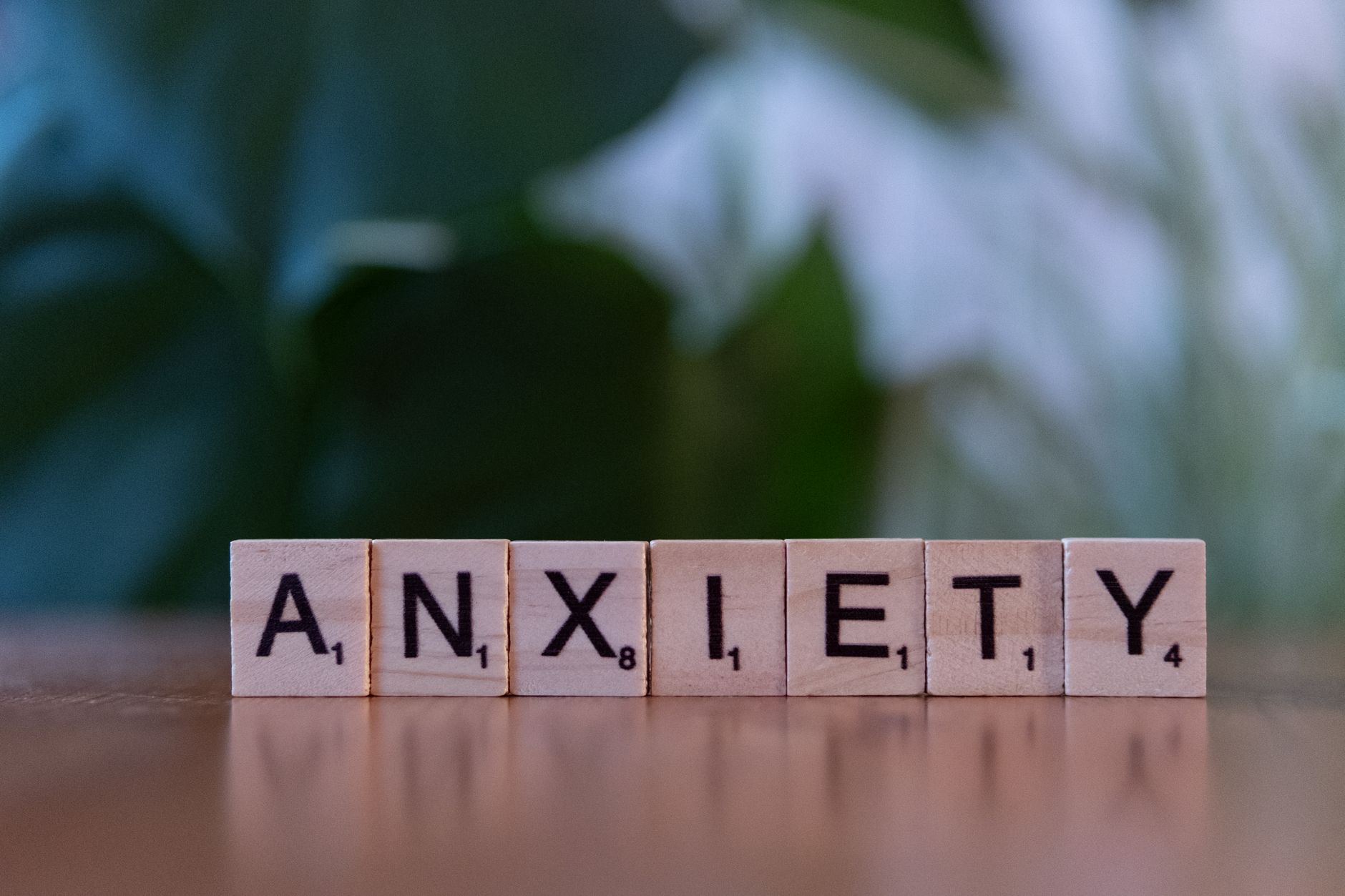
Protecting mental health and well-being is crucial in today’s fast-paced world. Anxiety and depression are two prevalent mental health conditions that affect millions globally, impacting daily life, relationships, and overall quality of life. Understanding these conditions, their symptoms, and the available resources for management and treatment is the first step towards fostering a healthier mind.
Understanding Anxiety and Depression
Anxiety is characterized by persistent and excessive worry about everyday situations, often accompanied by physical symptoms like increased heart rate, rapid breathing, and difficulty concentrating. Depression, on the other hand, involves a persistent feeling of sadness and loss of interest, leading to a range of emotional and physical problems. While sadness is a normal human emotion, depression is a clinical condition requiring attention. Both conditions can significantly affect the body, leading to chronic issues if left unaddressed.
Effective Treatment and Management Strategies
Managing anxiety and depression often involves a multi-faceted approach. Treatment options for anxiety disorders include various therapeutic techniques and, in some cases, medication. For depression, particularly treatment-resistant depression, a combination of therapies and lifestyle adjustments is often recommended. Cognitive Behavioral Therapy (CBT) is a widely recognized psychotherapy that helps individuals modify negative thought patterns and behaviors associated with depression.
Beyond traditional treatments, alternative approaches such as meditation have shown promise in calming anxiety and promoting mental well-being. Identifying personal triggers for anxiety and developing effective coping techniques are vital steps in managing symptoms. Lifestyle changes, including regular physical activity, a balanced diet, and adequate sleep, play a significant role in supporting mental health.
The Role of Lifestyle in Mental Well-being
Diet and nutrition have a profound impact on mental health. Certain foods can influence serotonin levels, a chemical messenger linked to mood, and a deficiency in nutrients like Vitamin D may contribute to depressive symptoms. Incorporating foods that support brain health can be beneficial. Similarly, regular exercise is not just good for physical health but also offers substantial mental health benefits, helping to reduce stress and improve mood. Practices like yoga can be particularly effective for managing anxiety.
Sleep is another critical component. Anxiety can disrupt sleep patterns, leading to fatigue, while exhaustion can sometimes mimic symptoms of depression. Developing strategies to ease anxiety at night and improve sleep quality, such as meditation before bed, is essential.
Emotional well-being practices, including journaling, creating a mindful home environment, and understanding one’s emotional responses to stress, contribute significantly to overall mental resilience.
Navigating Support and Resources
Seeking professional help is a crucial step. Finding the right therapist involves understanding different therapy types, considering costs, and learning how to advocate for oneself during doctor’s visits. Mental health counselors and psychiatrists offer specialized support, and knowing how to navigate insurance coverage for these services is important.
In times of crisis, immediate support is paramount. Resources for suicide prevention and guidance on how to support someone experiencing a mental health crisis are invaluable. It’s important to remember that suicidal thoughts are isolating, but support is always available.
Understanding Comorbidities
Anxiety and depression frequently coexist, sharing several key symptoms. They can also be comorbid with other conditions, such as chronic pain and ADHD. Recognizing these links is important for comprehensive diagnosis and treatment, ensuring that all aspects of an individual’s mental and physical health are addressed.
Taking Charge of Your Mental Health
Protecting your mental health is an ongoing journey that involves self-reflection, proactive coping, and seeking appropriate support. By understanding the nuances of anxiety and depression, exploring various treatment and lifestyle strategies, and utilizing available resources, individuals can take significant steps towards improved well-being and a more fulfilling life.
Leave a Reply